
Coenzyme Q10 with Statins: Does It Help Muscle Pain?
- Colin Hurd
- 14 January 2026
- 11 Comments
CoQ10 Symptom Assessment Tool
Answer a few questions to see if CoQ10 might help with your statin-related muscle pain. Based on clinical evidence and patient experiences.
Results:
Millions of people take statins to lower cholesterol and protect their hearts. But for 1 in 5 of them, the cost is muscle pain-aching legs, tired arms, cramps that won’t quit. It’s not just discomfort. For many, it’s the reason they stop taking a life-saving medication. That’s where Coenzyme Q10, or CoQ10, comes in. People are asking: if statins lower CoQ10 in the body, could taking it as a supplement ease the pain? The answer isn’t simple, but the data is clearer than most think.
Why Statins Might Be Causing Your Muscle Pain
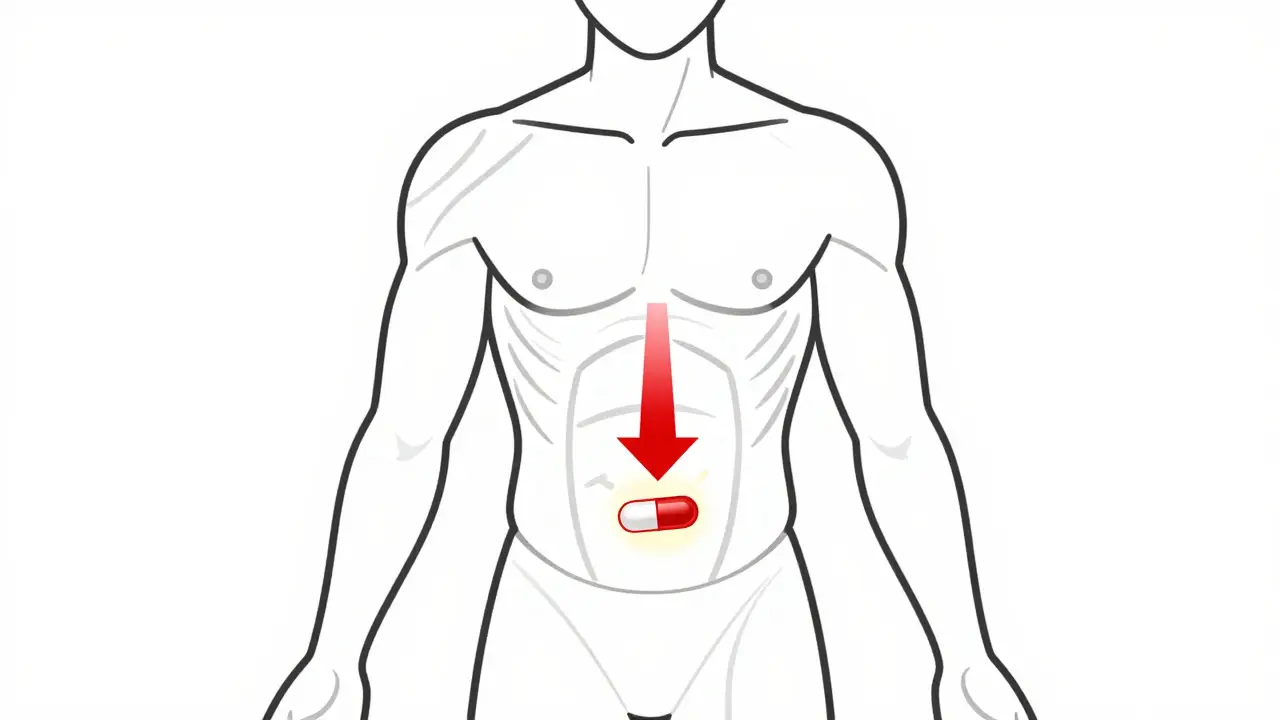
Statins work by blocking an enzyme called HMG-CoA reductase. That’s how they cut cholesterol. But that same enzyme is also needed to make CoQ10, a compound your body uses to produce energy in your muscles. When statins block it, CoQ10 levels drop-by as much as 54% in some studies. Without enough CoQ10, your muscle cells struggle to make energy. That can lead to fatigue, soreness, and cramping. It’s not an allergic reaction. It’s a metabolic side effect.Studies show 5% to 20% of statin users report muscle symptoms. That’s millions of people. And it’s not just older adults. Even young, active people on statins can start feeling like their body’s running on low battery. The pain usually shows up in the legs, shoulders, or back. It’s not sharp-it’s a dull, persistent ache that doesn’t go away with rest.
What Does the Science Say About CoQ10?
The idea that CoQ10 supplements could help isn’t new. Back in 2007, a small trial gave 100 mg of CoQ10 daily to people on statins with muscle pain. After 30 days, pain dropped significantly. Another study in 2014 used 50 mg twice a day and found a 33% reduction in pain compared to almost no change in the placebo group. These weren’t flukes. They were controlled trials with real numbers.A major 2018 meta-analysis pulled together data from 12 studies involving nearly 600 people. The results? People taking CoQ10 had less muscle pain, less weakness, and less fatigue than those on placebo. The improvement wasn’t huge-about 1.6 points on a 10-point scale-but it was consistent. And here’s the kicker: CoQ10 didn’t affect creatine kinase levels, meaning it didn’t fix muscle damage-it eased the symptoms. That’s important. It suggests CoQ10 isn’t repairing tissue; it’s helping cells function better.
But not all studies agree. A 2007 trial using 200 mg daily for 12 weeks found no benefit. Why? Maybe the dose was too low. Maybe the people in the study didn’t have low CoQ10 to begin with. Maybe the form of CoQ10 used-ubiquinone instead of ubiquinol-wasn’t absorbed well. That’s a big deal. Ubiquinol is the active form your body uses. Most supplements today are ubiquinol, and they’re 3 to 8 times more absorbable than older ubiquinone versions.
Real People, Real Results
Science isn’t the only place to look. Look at patient forums. On Reddit’s r/Supplements, 78% of 142 users said CoQ10 helped their statin muscle pain. One person wrote: “After six months of crippling leg cramps on atorvastatin, 200 mg of CoQ10 cleared it up in three weeks.” On Amazon, 63% of 5-star reviews for CoQ10 mention statin-related muscle relief.But there’s another side. Some people see no change. One review on Drugs.com says: “Tried three brands for four months. Nothing.” That’s normal. Not everyone responds. Studies suggest only about 75% of people with mild-to-moderate symptoms improve. Those with severe muscle damage or rhabdomyolysis won’t see much help. CoQ10 isn’t a cure-all. It’s a tool for a specific kind of problem.
How to Take CoQ10-If You Try It
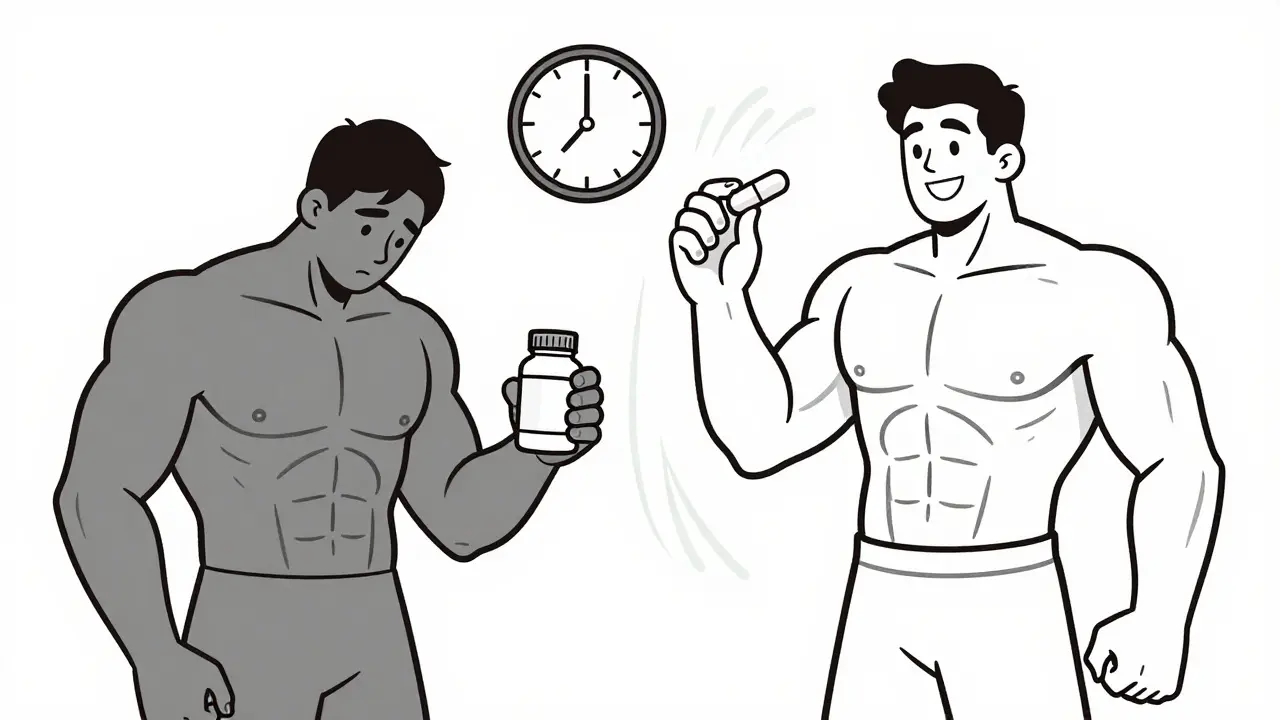
If you’re thinking about trying CoQ10, here’s what actually works based on the research:- Dose: Start with 100-200 mg per day. That’s the range most studies used and found effective.
- Form: Choose ubiquinol, not ubiquinone. It’s better absorbed, especially if you’re over 40 or on statins.
- Timing: Take it with a meal that has fat. CoQ10 is fat-soluble. No fat? Poor absorption.
- Patience: Don’t expect results in a week. It takes 4 to 12 weeks for your muscles to rebuild their energy supply.
Cost? Around $15 to $40 a month. That’s far cheaper than switching to a different statin, which can cost $300-$600 a month under some insurance plans. And unlike some supplements, CoQ10 has almost no side effects-even at doses up to 600 mg a day.
What the Experts Really Think
The American College of Cardiology says CoQ10 is a “reasonable option to consider” for people with mild muscle symptoms who are thinking about quitting statins. The Mayo Clinic says: “Some research suggests it might help-but there isn’t enough evidence to know for sure.” That’s the middle ground.Most cardiologists-42% of those surveyed in 2021-will still recommend it. Why? Because even if the science isn’t perfect, the risk is low and the potential benefit is real. If you’re in pain and your doctor says, “Just keep taking your statin,” you have a right to ask: “What about CoQ10?”
The European Atherosclerosis Society and the National Lipid Association both agree: we need better studies. Big ones. Long ones. With standardized symptoms and better testing. Until then, we’re working with what we have.
When Not to Use CoQ10
CoQ10 isn’t for everyone. Don’t use it if:- Your muscle pain is severe, or you have dark urine, extreme weakness, or fever-those could be signs of rhabdomyolysis, a medical emergency.
- You’re taking blood thinners like warfarin. CoQ10 might reduce their effect.
- You’re pregnant or breastfeeding. There’s not enough safety data.
- You’re expecting it to replace your statin. It doesn’t lower cholesterol. It only helps with muscle symptoms.
CoQ10 doesn’t fix the root cause of statin side effects. It just helps your muscles cope. If your pain doesn’t improve after 3 months, talk to your doctor about switching statins, lowering the dose, or trying a different cholesterol-lowering drug.
Is It Worth It?
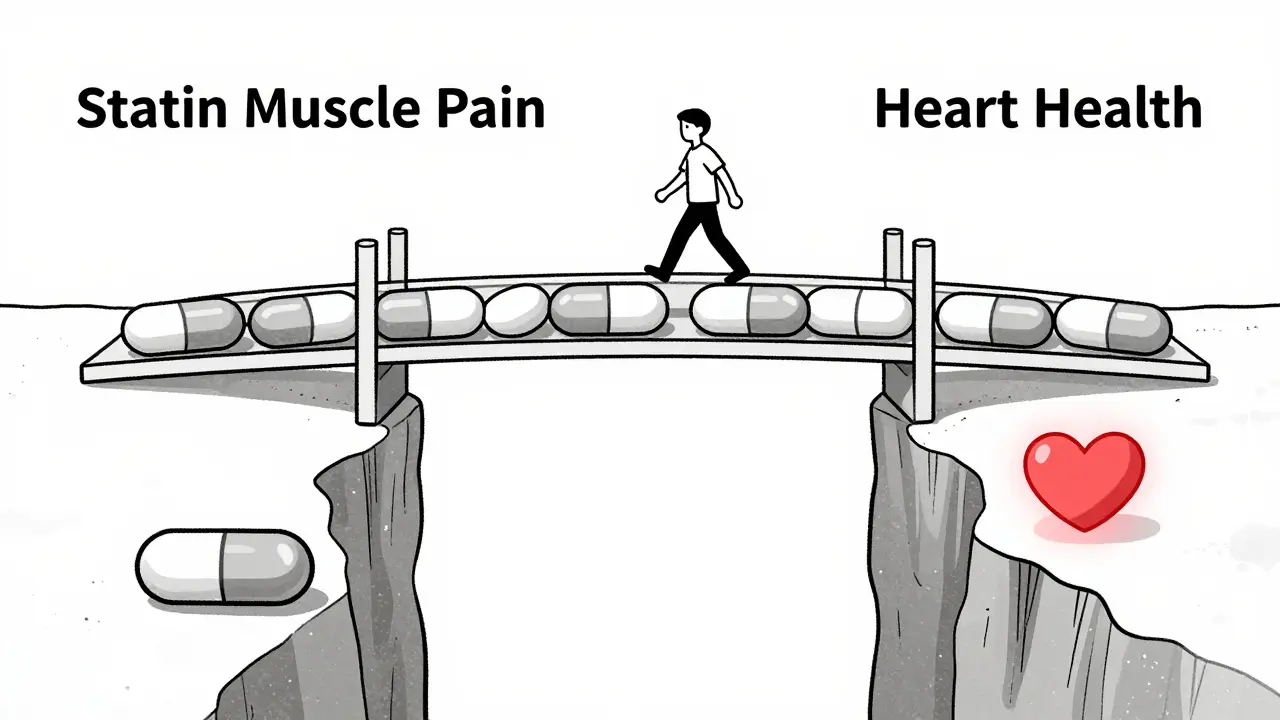
Here’s the bottom line: If you’re on a statin and getting muscle pain, CoQ10 is one of the safest, cheapest, and most logical things you can try. It’s not magic. It won’t work for everyone. But for a lot of people, it’s the difference between quitting their medication and staying on it.Statin therapy reduces heart attacks and strokes by up to 30%. That’s huge. If muscle pain is making you stop taking it, you’re trading a small risk of discomfort for a much bigger risk of heart disease. CoQ10 might be the bridge that keeps you on track.
Start with 100 mg of ubiquinol daily, taken with dinner. Give it 8 weeks. If your legs feel lighter, your arms less tired, and your cramps less frequent-you’ve found your answer. If not? Talk to your doctor. There are other options. But don’t quit your statin without one.
Can CoQ10 lower cholesterol like statins?
No. CoQ10 does not lower LDL cholesterol or affect lipid levels. It only helps with muscle symptoms caused by statins. It’s not a replacement for statin therapy. If you stop your statin and only take CoQ10, your cholesterol will rise again.
How long does it take for CoQ10 to work for muscle pain?
Most people start noticing improvement between 4 and 8 weeks. Some feel better in 3 weeks; others need up to 12 weeks. Don’t give up before 8 weeks. CoQ10 rebuilds energy in muscle cells slowly-it’s not a fast-acting painkiller.
Is ubiquinol better than ubiquinone for statin users?
Yes. Ubiquinol is the active, reduced form of CoQ10 that your body uses directly. As you age or take statins, your ability to convert ubiquinone to ubiquinol drops. Ubiquinol is 3 to 8 times more absorbable, making it the better choice for statin users.
Can I take CoQ10 with other supplements?
Yes. CoQ10 is generally safe with most supplements. Many people take it with vitamin D, magnesium, or omega-3s-especially if they’re on statins. But avoid combining it with blood thinners like warfarin without talking to your doctor, as it may reduce their effectiveness.
Should I get my CoQ10 levels tested before starting?
Not usually. Blood tests for CoQ10 aren’t reliable or widely available. Even if your levels are low, it doesn’t always mean your muscles are affected. Most experts recommend a therapeutic trial instead-take it for 8-12 weeks and see if your symptoms improve.
What if CoQ10 doesn’t help my muscle pain?
Talk to your doctor. You might need a different statin-rosuvastatin or fluvastatin are less likely to cause muscle issues. Or your dose might be too high. Other options include ezetimibe or PCSK9 inhibitors, which lower cholesterol without affecting CoQ10. Never stop your statin without medical advice.



Comments
Henry Sy
Statins are just pharmaceutical propaganda disguised as medicine. I’ve been off them for 3 years and my cholesterol’s better than my ex’s ex’s diet. CoQ10? Nah. I just eat more avocados and yell at my liver until it listens. Works every time.
January 15, 2026 AT 17:06
Anna Hunger
While anecdotal reports may be compelling, the scientific consensus remains cautious. The meta-analyses referenced demonstrate modest statistical improvements, yet lack long-term, large-scale randomized controlled trials to establish clinical significance. Patients should not interpret these findings as definitive therapeutic validation.
January 16, 2026 AT 10:38
Andrew Freeman
coq10 is just a scam. i took it for 2 months. nothing. statins are fine. stop listening to reddit. your body makes coq10. just deal with the pain. also ubiqinol is just marketing. same shit different bottle.
January 16, 2026 AT 22:39
Sarah -Jane Vincent
Did you know the pharmaceutical industry funds 90% of CoQ10 studies? They want you to think it works so you keep taking statins and never question why you’re being poisoned with synthetic cholesterol blockers in the first place. The real solution? Sunlight. Vitamin D. And quitting processed food. CoQ10? Just a placebo with a fancy name. They’re keeping you dependent.
January 18, 2026 AT 03:49
Jason Yan
It’s funny how we treat medicine like a switch-on or off, good or bad. But the body’s not a lightbulb. Statins mess with a metabolic pathway that’s been around since before dinosaurs. CoQ10 isn’t a fix, it’s a gentle nudge back toward balance. It’s like giving your mitochondria a warm blanket after a long winter. Some people feel it. Some don’t. That doesn’t mean it’s magic or nonsense. It just means biology is messy. And maybe, just maybe, we should stop expecting pills to solve everything in one week.
January 19, 2026 AT 01:02
shiv singh
you people are so weak. i been on statins since i was 28. no coq10. no whining. my legs hurt? good. that means the medicine is working. you want to be soft? go drink kale smoothies and cry into your yoga mat. real men endure pain. your muscles are weak because you sit on your ass all day. stop blaming the pill. blame your laziness.
January 20, 2026 AT 06:02
Robert Way
i tried coq10 and it made me feel weird like my heart was fluttering? maybe its not for me? also i took it without fat so maybe that why? i dont know i just dont trust supplements anymore. too many fake reviews on amazon. also my dog ate my bottle lol
January 21, 2026 AT 13:14
Sarah Triphahn
Let’s be real. If you need CoQ10 to tolerate statins, maybe you shouldn’t be on statins at all. You’re treating a symptom, not the problem. Your body’s screaming it doesn’t want this drug. CoQ10 is just a Band-Aid on a bullet wound. And now you’re paying $40 a month to feel slightly less miserable while your liver quietly hates you.
January 22, 2026 AT 07:44
Vicky Zhang
I was skeptical too… until my legs stopped feeling like they were stuffed with wet cement. I started at 100mg ubiquinol with dinner-no magic, no rush. But after six weeks? I could climb stairs again. I could carry groceries without groaning. I cried. Not because it was perfect-but because for the first time in two years, I didn’t feel like my body was betraying me. If this helps even one person stay on their statin? It’s worth it. You’re not weak for needing it. You’re smart.
January 23, 2026 AT 05:55
Allison Deming
The notion that CoQ10 supplementation is a reasonable intervention lacks robust, reproducible evidence. The studies cited suffer from small sample sizes, inconsistent dosing protocols, and potential publication bias. Moreover, the absence of standardized definitions for ‘statin-associated muscle symptoms’ renders comparative analysis unreliable. Until large, independent, longitudinal trials are conducted, any recommendation remains speculative at best.
January 23, 2026 AT 12:11
Susie Deer
CoQ10? That’s a Canadian supplement. We don’t need that stuff here. Real Americans get strong by eating steak and ignoring pain. If your legs hurt, do more squats. Stop looking for shortcuts. This country was built on grit, not gummy vitamins.
January 23, 2026 AT 12:50