Managing Fluoxetine Activation: Tips for Anxiety and Insomnia
- Colin Hurd
- 14 April 2026
- 0 Comments
Fluoxetine Activation & Sleep Strategy Tool
Symptom & Timing Optimizer
Tailor your daily routine to minimize "wired" feelingsRecommended Adjustments
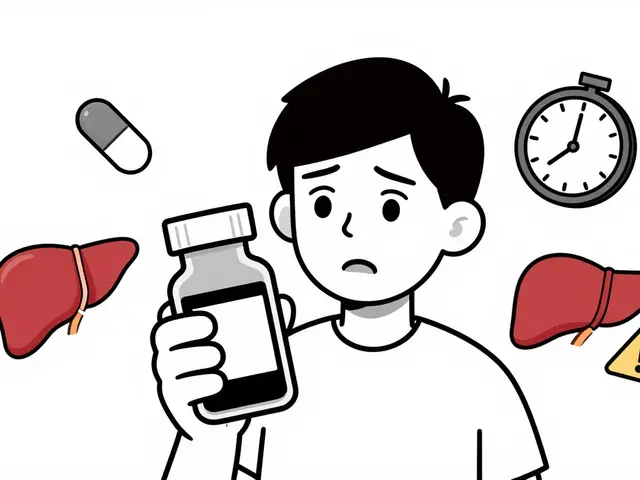
Starting a new antidepressant often feels like a gamble. You hope for the mood lift, but you worry about the "startup" effects. If you've been prescribed Fluoxetine is a selective serotonin reuptake inhibitor (SSRI) primarily used to treat major depressive disorder, obsessive-compulsive disorder, and bulimia. Also known by the brand name Prozac, it is distinct from other antidepressants because of its stimulating nature., you might have noticed you feel "wired," jittery, or unable to sleep. This isn't just in your head-it's a documented pharmacological effect known as activation.
For some, this energy is a godsend, especially if their depression involves sleeping too much and feeling sluggish. For others, it feels like a constant shot of espresso that triggers racing thoughts and midnight ceiling-staring. The key to managing this is understanding how the drug interacts with your brain and timing your dose to work with your body, not against it.
Why Fluoxetine Feels So Stimulating
Most SSRIs work by keeping more serotonin available in your brain. However, Fluoxetine does something extra. It acts as an antagonist at 5HT2C receptors, which is believed to be the secret sauce behind its energizing effect. While other medications might make you feel drowsy or "flat," Fluoxetine pushes the gas pedal.
This activation is a double-edged sword. If you struggle with "retarded depression"-where you can't get out of bed and move in slow motion-this stimulation helps you reclaim your day. But if you already struggle with Insomnia, this same mechanism can make falling asleep feel impossible. Because Fluoxetine has an incredibly long half-life (the drug and its active metabolite, norfluoxetine, stay in your system for days or even weeks), these effects don't just disappear after a few hours; they create a sustained state of alertness.
The Anxiety Paradox: When Help Feels Like Stress
It is a strange irony: a drug designed to treat anxiety and depression can sometimes make you feel more anxious in the first few weeks. This "activation syndrome" often manifests as inner restlessness, tremors, or a feeling of being "on edge." In some cases, users report racing thoughts that mirror the very anxiety they are trying to treat.
This usually happens because your brain is adjusting to a sudden increase in serotonin. Think of it like a thermostat being turned up too quickly; the system overreacts before it finds a comfortable equilibrium. Research shows that for many people, this is a transient phase. A 2023 study in the Journal of Clinical Psychopharmacology found that about 62% of patients who struggled with sleep at the start of treatment saw significant improvement by the eighth week.
| Medication Type | Primary Effect on Energy | Common Sleep Impact | Best For... |
|---|---|---|---|
| Fluoxetine (Prozac) | Activating / Stimulating | Potential Insomnia | Low-energy, atypical depression |
| Mirtazapine | Sedating | Increased Sleepiness | Depression with severe insomnia |
| Sertraline (Zoloft) | Neutral to Mildly Activating | Mixed (Varies by person) | General anxiety and depression |
| Trazodone | Strongly Sedating | Heavy Sleep Induction | Short-term sleep aid/Depression |
Timing Strategies to Quiet the Noise
Since Fluoxetine is designed to wake you up, the most effective strategy is simple: take it as early as possible. Taking your dose at 8:00 AM ensures the peak plasma concentration-which usually hits 6 to 8 hours after ingestion-happens during your active hours, not while you're trying to wind down for bed.
If you've been taking your medication in the evening and find yourself tossing and turning, talk to your doctor about switching to a morning schedule. Some people make the mistake of taking it at night to "get it over with," only to find their brain racing at 2:00 AM. A common real-world mistake is taking a dose late in the day and then wondering why you feel like you've had three energy drinks before bed.
Beyond just the clock, consider these practical adjustments:
- Food Matters: While food doesn't change how much drug gets into your system, it can slow absorption by an hour or two. Taking it with breakfast might smooth out the initial "hit" of activation for some.
- Caffeine Audit: If you're feeling jittery, your usual cup of coffee might be amplifying the drug's effects. Try cutting back on caffeine during the first few weeks of treatment.
- The "Wind-Down" Window: Because the drug stays in your system so long, you need a more aggressive bedtime routine. Dim the lights, put away screens, and give your brain a clear signal that it's time to switch off.
When to Worry vs. When to Wait
Knowing the difference between a normal side effect and a red flag is vital. Most people find that the nausea, tremors, and insomnia fade after two to four weeks as the body adapts. However, some reactions require immediate attention.
If you experience a sudden, extreme increase in energy combined with a decreased need for sleep, racing speech, and impulsive behavior, this could be a sign of a manic episode or bipolar switch. Fluoxetine is used for bipolar depression, but only when balanced with a mood stabilizer. If you feel "too good to be true" or hyper-active, call your provider immediately.
Additionally, be aware of the FDA boxed warning regarding suicidal thoughts, particularly in those under 25. The increased anxiety and agitation caused by initial activation can sometimes make an already fragile mental state feel more unstable. Monitoring your mood closely during the first month is not just a suggestion; it's a safety requirement.
Long-Term Outlook and Adaptation
The good news is that the brain is remarkably adaptable. Over time, the sensitivity of your receptors changes. Many people who describe the first two weeks as "hell" eventually find that Fluoxetine actually helps them sleep better by stabilizing their overall mood and reducing the anxiety that keeps them awake.
If the insomnia persists beyond a month, your doctor has several levers to pull. They might lower the dose to see if a smaller amount provides the benefit without the jitters. They might add a complementary medication to help with sleep, or they might switch you to a less activating SSRI like sertraline. The long half-life of Fluoxetine means that if you do switch, the drug will leave your system slowly, which often makes the transition smoother than with shorter-acting medications.
Can I take Fluoxetine at night if I feel sleepy during the day?
While most people find it activating, a small percentage experience daytime drowsiness. If this is your experience, taking it at night may be appropriate. However, you should test this carefully, as it could still trigger nighttime insomnia. Always consult your doctor before changing your dosing schedule.
How long does it take for the insomnia caused by Prozac to go away?
For the majority of users, activating side effects are most intense during the first 2 to 4 weeks. By the 8-week mark, a significant number of patients report that their sleep quality has returned to normal or even improved as their depression lifts.
Does taking Fluoxetine with food help with the jitters?
Food can slow the absorption of the medication by 1 to 2 hours. While this doesn't change the overall amount of medicine in your blood, it can prevent a sharp "spike" in concentration, which may help some people feel less jittery upon starting the medication.
What is the best way to handle racing thoughts while on this medication?
In addition to morning dosing, practicing Cognitive Behavioral Therapy for Insomnia (CBT-I) techniques can be very helpful. This includes staying out of bed if you can't sleep for 20 minutes and using relaxation exercises to lower the physiological arousal caused by the drug's activating properties.
Why is Fluoxetine considered the most stimulating SSRI?
Fluoxetine is unique because it acts as an antagonist at the 5HT2C receptor. This specific action increases the release of norepinephrine and dopamine in certain parts of the brain, leading to a more energizing and stimulating effect compared to other SSRIs.