
Oral Chemotherapy: Understanding Adherence, Safety, and Common Side Effects

- Colin Hurd
- 25 November 2025
- 19 Comments
More than half of all new cancer drugs approved in the last five years are taken by mouth. That’s not a trend-it’s the new normal. For many patients, oral chemotherapy means fewer clinic visits, less time in waiting rooms, and the ability to stay at home while fighting cancer. But this convenience comes with hidden risks. Taking chemotherapy pills at home sounds simple. Until you miss a dose. Until you accidentally take it with antacids. Until your hands crack and bleed from a side effect you didn’t know was possible. This isn’t just about pills. It’s about survival.
What Oral Chemotherapy Really Means
Oral chemotherapy isn’t just pills you pick up at the pharmacy. These are powerful, cell-killing drugs designed to target cancer cells. But unlike IV chemo, given in a hospital under supervision, oral chemo puts the responsibility squarely on you. You’re the nurse, the pharmacist, and the safety officer all at once.
Common types include capecitabine, dasatinib, lenalidomide, and etoposide. Each works differently. Alkylating agents like cyclophosphamide damage DNA directly. Antimetabolites like capecitabine trick cancer cells into using fake building blocks, so they can’t grow. Targeted drugs like imatinib block specific signals cancer cells need to survive. These aren’t generic meds. They’re precision weapons-and they demand precision handling.
Between 2010 and 2020, 35% of newly approved cancer drugs were oral. By 2025, nearly half of all cancer drug spending will be on pills. That’s because they work. But they also require more from you than ever before.
Why Adherence Is the Biggest Risk
Doctors don’t lie when they say you need to take every pill, exactly when you’re told. But here’s the truth: only 55% to 75% of patients stick to the schedule. That’s not because people are careless. It’s because the schedule is brutal.
Take capecitabine: two doses a day for 14 days, then a full week off. Repeat. That’s 28 pills in two weeks. Miss one? You might not feel it right away. But over time, the cancer cells adapt. They survive. They grow back stronger. A 2022 study found patients who missed even a few doses were 40% more likely to see their cancer progress.
Other barriers? Food restrictions. Nilotinib must be taken on an empty stomach-two hours before and after eating. That’s hard if you’re nauseous or tired. Side effects like mouth sores or diarrhea make swallowing pills painful. Some patients skip doses to feel better. That’s the wrong move.
Experts call this the ‘invisible treatment gap.’ You’re not getting the full dose, but no one sees it. No nurse watches you swallow. No IV bag runs down your arm. The system assumes you’re doing it right. But without support, you’re on your own.
Safety Mistakes You Can’t Afford to Make
One wrong pill can be deadly. Not because the drug is weak-but because of what you mix it with.
Antacids and proton pump inhibitors (like omeprazole) can cut the absorption of capecitabine by 30% to 50%. That means your treatment isn’t working. You think you’re following the plan. You’re not.
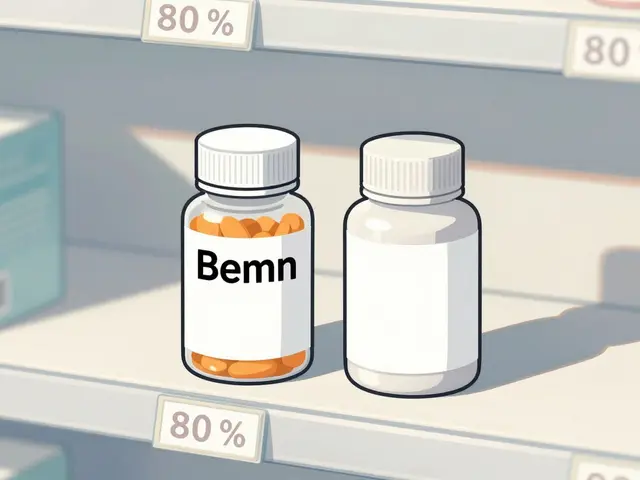
Even common supplements like St. John’s Wort can wreck your chemo. It speeds up how your liver breaks down drugs like dasatinib, dropping blood levels by 80%. That’s like taking a quarter of your dose. The cancer doesn’t know the difference. It just keeps growing.
And then there’s storage. Most oral chemo needs to stay at room temperature-between 20°C and 25°C. Leave it in a hot car? In a bathroom cabinet above the sink? Moisture and heat can break down the pills. You won’t see it. But your body will.
Disposal matters too. You can’t just toss unused pills in the trash. The FDA requires special disposal bags for 98% of oral chemotherapy. These drugs are toxic. If a child or pet gets into them, it’s an emergency. Your pharmacist should give you these bags. If they don’t, ask.

Side Effects You Need to Know Before They Hit
Not all chemo side effects are the same. IV chemo causes hair loss and nausea. Oral chemo? It has its own signature problems.
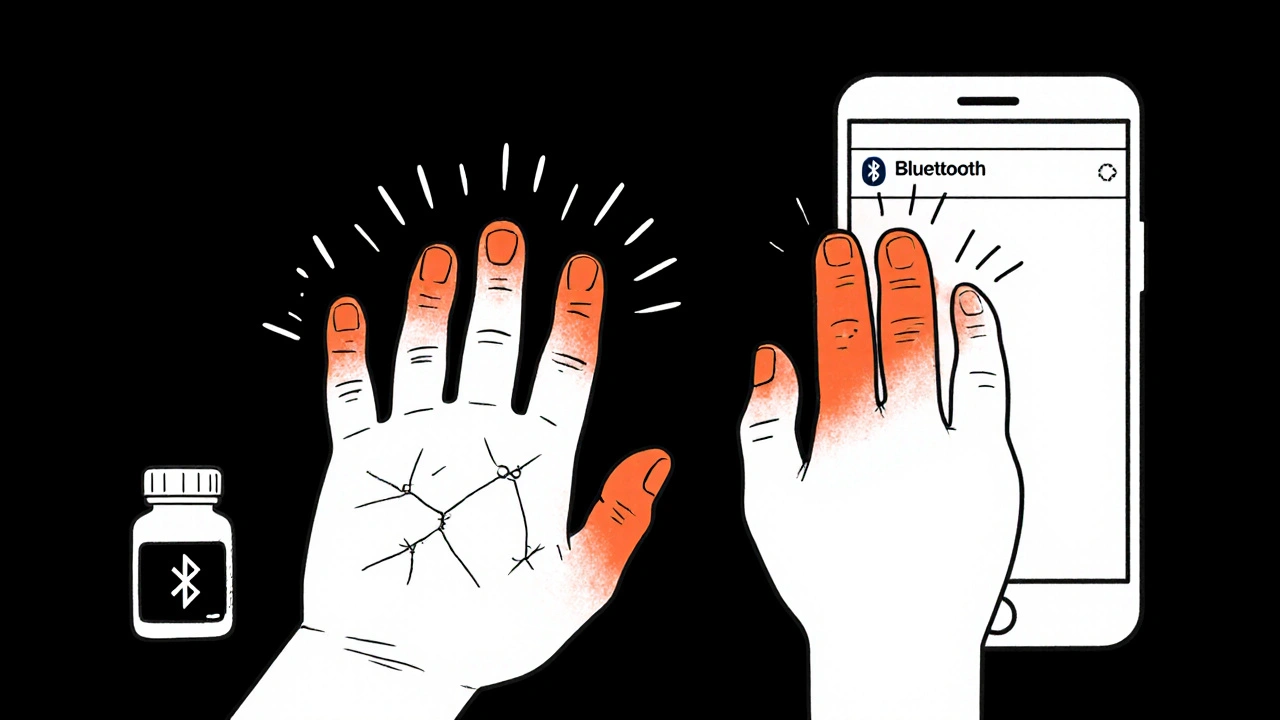
Hand-foot syndrome is common with capecitabine. Your palms and soles turn red, feel like they’re burning, then crack and peel. It starts mild-just a little tenderness. But if you ignore it, it gets worse. You can’t open jars. You can’t walk. The fix? Cool compresses, thick moisturizers, and telling your doctor before it escalates.
Myelosuppression is another silent threat. Your bone marrow slows down. White blood cells drop. Platelets fall. You don’t feel it until you get a fever or start bruising easily. That’s why weekly blood tests are non-negotiable with drugs like lenalidomide and dasatinib. You can’t skip them.
Hepatotoxicity-liver damage-is a hidden risk. 15% to 25% of patients see liver enzymes rise. No symptoms. No pain. Just a lab result that says, ‘Something’s wrong.’ That’s why baseline and monthly liver tests are required for every oral chemo drug.
And don’t underestimate fatigue. It’s not just being tired. It’s exhaustion that doesn’t go away with sleep. It’s tied to inflammation from the drug. Rest helps-but so does talking to your care team. They can adjust timing, suggest light exercise, or even prescribe supportive meds.
How to Stay on Track-Step by Step
Success with oral chemo isn’t luck. It’s a system.
Start with education. Your first visit should last at least 45 minutes. Not 10. Not 20. 45. You need to hear it, see it, and say it back. This is called the ‘teach-back’ method. If you can’t explain your schedule in your own words, you’re not ready to take the pills home.
Use a pill organizer. Not the kind you buy at the drugstore. Get one with separate compartments for each day and time. Label it clearly. Put it next to your toothbrush. Make it part of your morning routine.
Set alarms. Not just one. Two. One for the morning dose. One for the evening. Set a reminder for your blood tests. Put it on your phone. Write it on your calendar. Tell a family member to check in.
Keep a symptom journal. Not just ‘I feel bad.’ Write: ‘Day 10, hand pain started, redness on palms, no fever, took Tylenol.’ That’s the info your doctor needs. Don’t wait for your next appointment to mention it.
Know your emergency line. Every cancer center should give you a direct number to call if you have a fever over 38°C, can’t keep fluids down, or have severe diarrhea. Don’t wait. Don’t Google. Call. Now.
What’s Changing-And What’s Coming
The system is catching up. New tools are rolling out to help you stay on track.
Smart pill bottles with Bluetooth sensors track when you open them. They send alerts to your care team if you miss a dose. Early trials show 92% accuracy in predicting adherence lapses.
Fixed-dose combos are simplifying regimens. VerzenioPlus combines two drugs in one pill. Fewer pills. Fewer chances to mess up.
And genetic testing is becoming standard. Before taking fluoropyrimidines like capecitabine, a simple blood test checks for DPYD gene mutations. If you have them, your dose is lowered-and your risk of life-threatening toxicity drops by 72%.
By 2025, every accredited cancer center in the U.S. and Australia must have a formal oral chemotherapy program. That means structured education, follow-up calls, pharmacy tracking, and rapid-response teams. You’re not alone anymore. But you still have to show up.
Final Reality Check
Oral chemotherapy gives you freedom. But freedom without structure is dangerous.
It’s not about being perfect. It’s about being prepared. If you forget a dose, call your team-not your friend. If your hands hurt, report it before it turns into a wound. If you’re confused about what to take with food, ask again. No question is too small. No concern is too silly.
This isn’t just about taking pills. It’s about controlling your treatment. The drugs are powerful. But your awareness? That’s what saves lives.
What happens if I miss a dose of oral chemotherapy?
Don’t double up. Call your oncology team immediately. Missing one dose doesn’t always mean you need to adjust the next one-it depends on the drug, your schedule, and your treatment plan. Some drugs allow you to skip the missed dose and continue as normal. Others require a specific catch-up plan. Never guess. Always check.
Can I take over-the-counter painkillers with oral chemo?
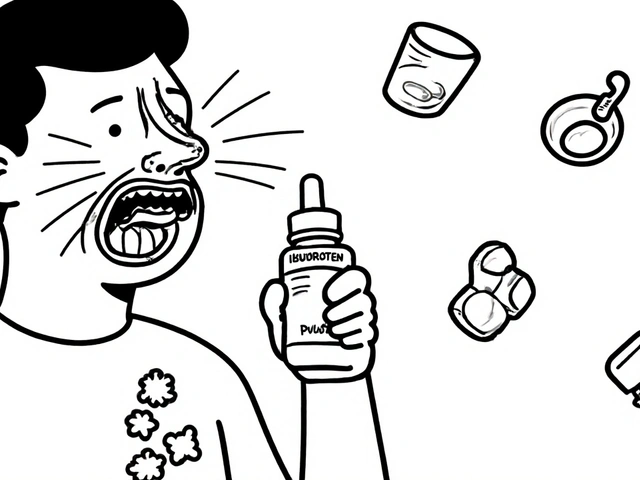
Some are safe, others aren’t. Acetaminophen (Tylenol) is usually okay for mild pain or fever. Avoid NSAIDs like ibuprofen or naproxen unless your doctor says yes-they can increase bleeding risk or kidney stress, especially with certain drugs. Always check with your oncology pharmacist before taking anything, even aspirin.
Why do I need blood tests if I feel fine?
Oral chemo can silently lower your white blood cells or platelets. You might feel perfectly normal until you get an infection or start bleeding. Weekly blood tests catch these changes before they become emergencies. Skipping them is like driving without checking your fuel gauge-eventually, you’ll run out.
Is it safe to take oral chemo while traveling?
Yes, but plan ahead. Carry your pills in your carry-on, not checked luggage. Keep them in their original bottles with labels. Bring extra doses in case of delays. Know the temperature limits for your drug. If you’re flying across time zones, talk to your pharmacist about adjusting timing. Always have your oncology team’s contact info with you.
Can I drink alcohol while on oral chemotherapy?
It depends on the drug. Alcohol can increase liver stress, which is already under pressure from chemo. With drugs like capecitabine or lenalidomide, even small amounts can raise your risk of liver damage. Most oncologists recommend avoiding alcohol entirely during treatment. If you’re unsure, ask your care team. It’s not worth the risk.
How do I know if my oral chemo is working?
You won’t feel it directly. The only reliable way is through scans and blood tests. Your doctor will track tumor size, cancer markers, and blood counts over time. Side effects don’t mean it’s working-and absence of side effects doesn’t mean it’s not. Stick to the plan and trust the monitoring process.

Comments
Attila Abraham
So basically we're trusting people with nuclear-grade meds and hoping they don't mess up
cool plan
no wonder cancer survival rates are still a mess
November 26, 2025 AT 01:49
Michelle Machisa
I've seen this firsthand with my mom. The hardest part wasn't the pills it was the silence. No one asks if you took them. No one checks in. Just a calendar and a prayer. You're not alone even when it feels like it.
November 27, 2025 AT 16:48
Ronald Thibodeau
This article reads like a pharma pamphlet. 55% adherence? That's because most of these regimens are designed by people who've never had to take a pill while vomiting at 3am. Stop glorifying the system. Fix the system.
November 27, 2025 AT 20:52
Shawn Jason
It's strange isn't it? We give people the autonomy to manage life-or-death treatment but offer almost no infrastructure to support it. We treat patients like responsible adults when it's convenient and like children when it's not. What does that say about how we value human agency?
November 28, 2025 AT 19:19
Monika Wasylewska
In India we call this 'home chemo' and it's growing fast. But access to refrigeration clean water and pharmacy support varies wildly. The system isn't broken it's just not built for everyone
November 29, 2025 AT 08:09
Jackie Burton
Let's be real the FDA doesn't care about your pill adherence. They care about drug approval numbers. The smart bottles? They're just a data harvesting tool. Your compliance is being sold to insurers and pharma. This isn't healthcare it's surveillance with a side of chemo
November 30, 2025 AT 16:23
Philip Crider
I took my wife's capecitabine for a day just to see what it felt like
my hands burned like I'd grabbed a hot stove
and i'm a 6ft 200lb guy
imagine if you're 80 and 90lbs
also i cried
😭
December 1, 2025 AT 09:43
Diana Sabillon
I just wanted to say thank you for writing this. My brother skipped his blood tests because he 'felt fine.' He didn't make it to his next appointment. This matters.
December 3, 2025 AT 06:33
neville grimshaw
Oh for fucks sake another 'empowerment' narrative. You're not a 'nurse' you're a patient with a prescription bottle and a death sentence. The system outsources risk to the vulnerable then pat themselves on the back for 'innovation'. Classic capitalist healthcare.
December 3, 2025 AT 11:54
Carl Gallagher
I've worked in oncology for 22 years and I've seen every trick in the book. The biggest problem isn't adherence it's communication. Patients don't know what to ask. Clinicians don't know how to listen. The pill organizer won't fix that. A 45-minute consult might. But insurance won't pay for it. So we're stuck.
December 4, 2025 AT 05:37
bert wallace
I've been on lenalidomide for 3 years. The hand-foot syndrome is brutal. I use petroleum jelly and ice packs. But the real win? My pharmacist calls me every week. No text. No app. A real human asking 'how are you really doing?' That's the support that matters.
December 4, 2025 AT 13:05
Neal Shaw
The DPYD genetic test is underutilized. It's a Class I recommendation by NCCN. Yet only 32% of centers routinely test before fluoropyrimidine administration. This is not a gap in patient behavior. This is a gap in clinical implementation. We need mandatory protocols not patient reminders.
December 5, 2025 AT 21:16
Hamza Asghar
Oral chemo is a marketing ploy. They make it sound 'convenient' so they can cut hospital costs. Meanwhile patients are left with toxic side effects and zero support. The system is designed to fail. And when it does they blame the patient. Brilliant.
December 6, 2025 AT 17:47
Karla Luis
I used to take my meds with coffee like a champ
then my liver enzymes went through the roof
oops
December 7, 2025 AT 22:48
jon sanctus
I'm 32 and on dasatinib. My mom cried when I told her I had to take it on an empty stomach. She said 'you're just a baby' and I was like... yeah I am. And I'm dying. And I need you to stop treating me like a child and start treating me like a person who's trying to survive.
December 8, 2025 AT 15:05
Kenneth Narvaez
The 2022 study cited has a 95% CI of 0.38–0.42 for progression risk. That's not robust. The sample size was underpowered and confounded by socioeconomic variables. Also capecitabine absorption is affected by gastric pH but not to the degree claimed. The 30–50% drop is from in vitro models not clinical cohorts.
December 10, 2025 AT 00:27
Christian Mutti
I am deeply moved by this profound and insightful exploration of the human condition in the face of oncological adversity. The delicate balance between autonomy and vulnerability is a testament to the resilience of the human spirit. 🙏
December 10, 2025 AT 21:25
Liliana Lawrence
I just want to say thank you so much for sharing this!! 🌟💖 This is so important!! I cried reading it!! My cousin just started oral chemo and I'm going to print this out and give it to her!! 📄💐 You're amazing!!
December 12, 2025 AT 05:58
Sharmita Datta
Did you know that the FDA approved these drugs because of pressure from Big Pharma lobbying? The smart bottles are part of a larger surveillance network to track patient behavior for insurance discrimination. The DPYD test? It's only offered in wealthy cities. Rural patients are being sacrificed. This is genocide by neglect.
December 13, 2025 AT 11:43