
Aspirin-Exacerbated Respiratory Disease: What It Is and How It Affects Your Breathing
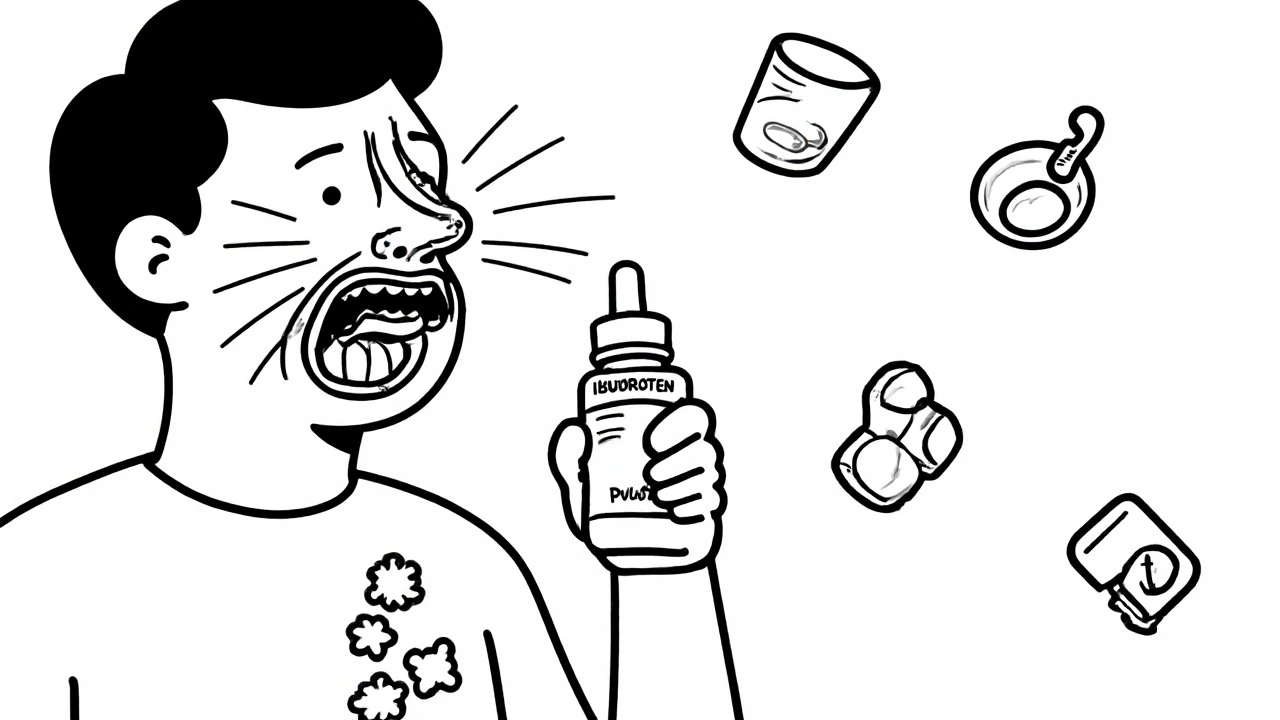
When you take aspirin or other common pain relievers like ibuprofen and naproxen, most people feel better. But for some, it triggers a dangerous reaction called aspirin-exacerbated respiratory disease, a condition where NSAIDs like aspirin cause severe breathing problems in people with asthma or chronic nasal issues. Also known as Samter's triad, it's not just an allergy—it's a systemic response that can shut down your airways. This isn’t rare. About 1 in 10 adults with asthma and up to half of those with nasal polyps and chronic sinusitis have this condition.
The problem starts with how your body handles painkillers. Aspirin and other NSAIDs block an enzyme called COX-1, which leads to a surge in leukotrienes—chemicals that inflame your airways. If you already have asthma or nasal polyps, this spike can cause wheezing, coughing, and even life-threatening bronchospasm. It often hits within minutes to hours after taking the pill. Many people don’t realize this is tied to their meds until they’ve had a scary episode in the ER. The same reaction can happen with over-the-counter cold pills, menstrual pain relievers, and even some topical creams.
People with this condition often have a cluster of symptoms: persistent nasal congestion, recurring nasal polyps, and asthma that’s harder to control than average. These aren’t separate issues—they’re parts of the same puzzle. Treating one without addressing the others usually fails. You might need steroid sprays, polyp removal, or even aspirin desensitization therapy under medical supervision. The good news? Once you know you have it, avoiding NSAIDs and switching to acetaminophen (Tylenol) can stop attacks cold. But you need to know what’s in your meds—many generics and combo products hide NSAIDs under different names.
What you’ll find below are real, practical guides that connect directly to this condition. You’ll read about how certain drugs like decongestants can worsen breathing in sensitive people, why medication safety matters when you’re managing chronic respiratory issues, and how to avoid hidden triggers in everyday pills. These aren’t theoretical articles—they’re tools for people who’ve been caught off guard by their own medicine cabinet.
- Colin Hurd
- Nov, 28 2025
- 9 Comments
Aspirin-Exacerbated Respiratory Disease: What You Need to Know About Asthma and NSAID Sensitivity
Aspirin-exacerbated respiratory disease (AERD) is a chronic condition linking asthma, nasal polyps, and NSAID sensitivity. Learn how it develops, why standard treatments fail, and how aspirin desensitization can transform outcomes.