
Restless Legs and Iron: Ferritin Targets and Supplements That Work
- Colin Hurd
- 26 November 2025
- 10 Comments
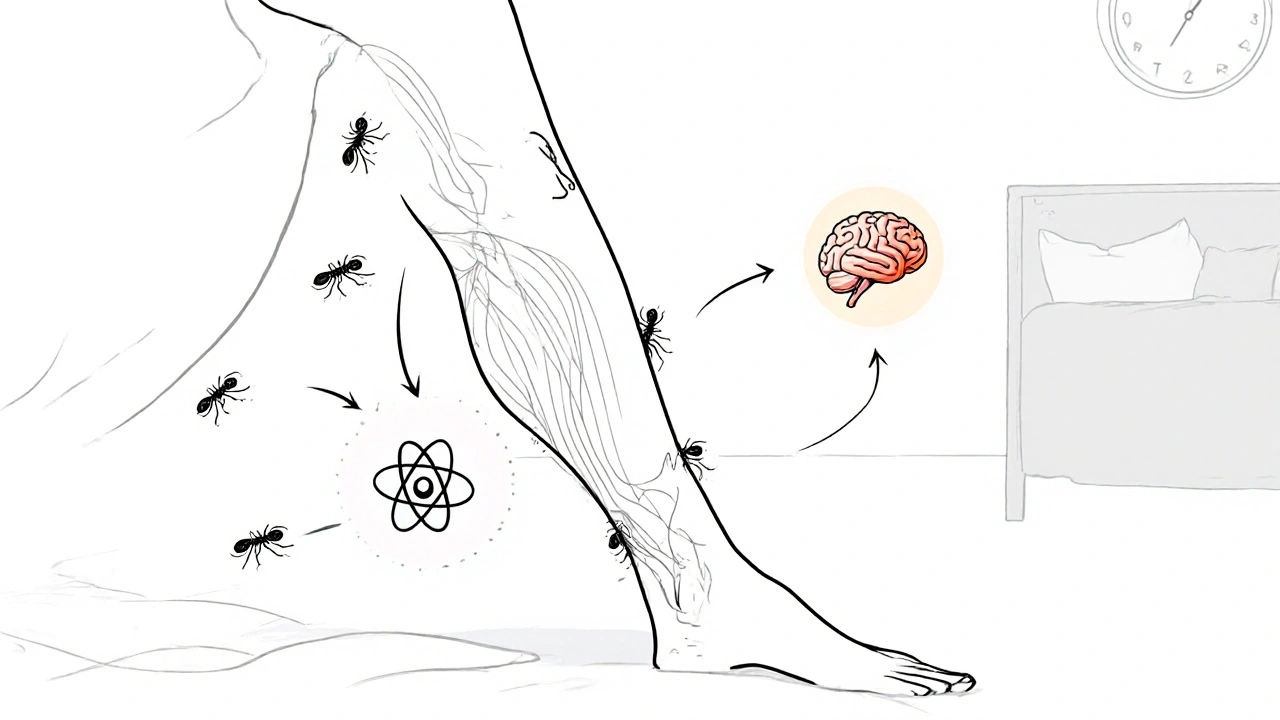
When your legs feel like they’re crawling with ants at night - even when you’re perfectly still - it’s not just restlessness. It’s restless legs syndrome (RLS), a neurological condition that disrupts sleep for millions. And for many, the root cause isn’t stress or caffeine. It’s iron. Not in your blood, but in your brain.
Why Iron Matters More Than You Think
RLS isn’t just a nuisance. It’s a signal. And that signal is often low iron in the brain’s movement centers, especially the substantia nigra. Even if your blood tests look normal, your brain might be starving for iron. This isn’t about anemia. It’s about functional deficiency. Your body might have enough iron circulating, but it can’t get it where it’s needed.
That’s why ferritin - the protein that stores iron - is the key marker. The American Academy of Sleep Medicine and the American Academy of Neurology agree: if your ferritin is below 50 ng/mL, you’re in the range where iron therapy can make a real difference. And it’s not a guess. Studies show that people with ferritin under 50 have a 50% or better chance of seeing major symptom improvement with iron supplements.
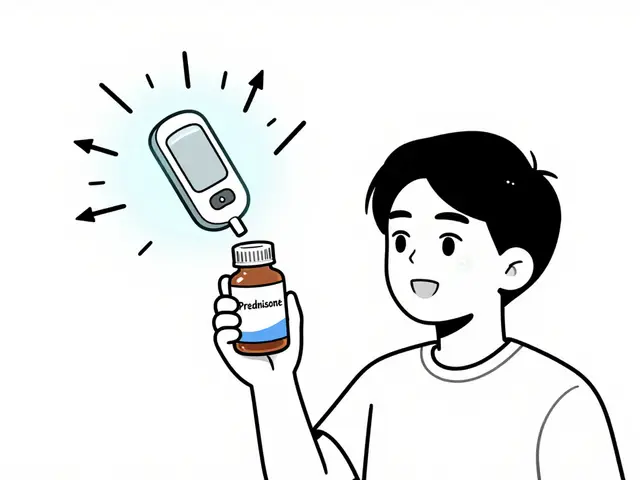
Think about it: if you’ve been taking dopamine drugs like pramipexole for years and your symptoms keep getting worse, it might not be the disease progressing. It might be augmentation - a side effect where the medication makes RLS worse over time. Up to 70% of long-term users develop it. Iron therapy doesn’t cause that.
What Ferritin Level Should You Aim For?
Most labs say ferritin between 12 and 300 ng/mL is “normal.” But that’s not good enough for RLS.
- Below 50 ng/mL: Clear signal to start iron therapy. Around half of patients see significant relief.
- 50-75 ng/mL: Still worth trying. About one in three people improve, even if they’re technically in the “normal” range.
- 75-100 ng/mL: Target zone for best results. Once you hit this, symptoms often stabilize or disappear.
One 2021 study found that patients who reached ferritin levels above 75 ng/mL had symptom control lasting up to two years after just one IV iron treatment. That’s not a fluke. That’s a pattern.
And here’s something surprising: some people with RLS have normal ferritin but high hepcidin - the hormone that blocks iron from entering cells. High hepcidin means your body is locking iron away, even if you’re eating enough. That’s why just eating more red meat won’t fix it. You need targeted therapy.
Oral Iron: How to Take It Right
If your ferritin is under 50, your doctor should recommend oral iron. But not just any iron. Ferrous sulfate is the gold standard: 325 mg tablets give you 65 mg of elemental iron.
Here’s how to make it work:
- Take it on an empty stomach. Iron absorbs best without food. If you can’t handle that, take it one hour before or two hours after meals.
- Pair it with vitamin C. A 100-200 mg vitamin C tablet or a glass of orange juice boosts absorption by up to 30%.
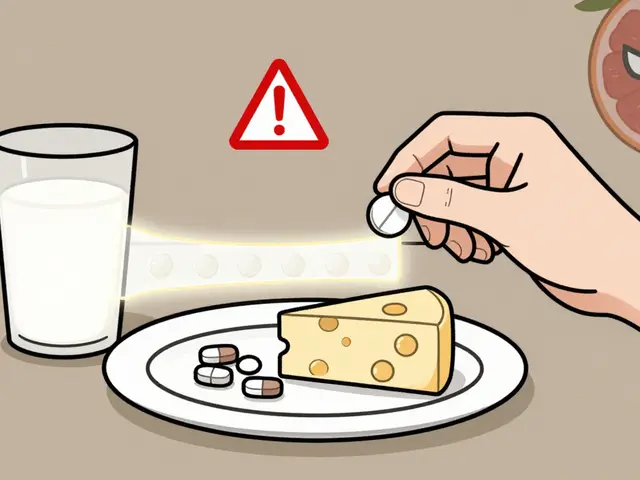
- Avoid calcium, antacids, and coffee. These block iron absorption. Wait at least two hours after taking iron before having dairy, Tums, or coffee.
- Try alternate-day dosing. Taking iron every other day improves tolerance. Studies show you get nearly the same ferritin rise with fewer stomach issues.
Side effects? About 28% of people get nausea, constipation, or dark stools. That’s common. But it’s not a reason to quit. Many switch to ferrous gluconate or iron bisglycinate - gentler on the gut - and still get results.

When Oral Iron Isn’t Enough
Some people just can’t absorb enough iron through the gut. That’s especially true if you’ve had gastric bypass surgery, have celiac disease, or have chronic inflammation. If you’ve taken 3-6 months of oral iron and ferritin is still under 30 ng/mL, it’s time to talk about IV iron.
IV ferric carboxymaltose - a single 1,000 mg infusion - can boost ferritin by over 120 ng/mL in just six weeks. In one trial, 68% of RLS patients had major symptom relief after one infusion. And unlike pills, it doesn’t upset your stomach.
It’s not expensive either. A single IV dose costs about $500-$800. Compare that to $2,400-$4,800 a year for pramipexole or ropinirole. And IV iron doesn’t cause augmentation. Ever.
What About Diet?
You might think eating more red meat will fix RLS. It helps - but not enough.
A 3-ounce serving of beef liver gives you about 5 mg of heme iron. That’s the best-absorbed form. But you’d need to eat nearly 13 servings a day to match the 65 mg in one ferrous sulfate tablet. And even then, absorption varies.
Plant-based iron (non-heme) from spinach or lentils is poorly absorbed - especially if you’re drinking tea or coffee with meals. So while a balanced diet supports overall health, it won’t raise ferritin fast enough to treat RLS.
How Long Until You Feel Better?
Don’t expect overnight results. Iron therapy is slow. Most people notice small improvements after 2-4 weeks. Full effect takes 8-12 weeks. That’s why so many give up too soon.
Track your symptoms. Use the International Restless Legs Scale (IRLS). Rate your symptoms from 0-40 before and after treatment. A drop of 10 points or more is considered a good response. In one study, IV iron cut IRLS scores from 28.5 to 14.3 on average. That’s the difference between losing sleep every night and sleeping through the night.

What to Do Next
If you have RLS and haven’t had your ferritin checked, ask your doctor. Don’t wait for your symptoms to get worse. Don’t assume your “normal” lab results mean you’re fine. Ferritin under 50 ng/mL is a medical red flag for RLS.
Here’s your action plan:
- Get a blood test: ferritin, serum iron, TIBC, transferrin saturation.
- If ferritin ≤ 75 ng/mL, start iron therapy.
- Take 65 mg elemental iron daily with vitamin C, on an empty stomach.
- Re-test ferritin after 8-12 weeks.
- If no improvement or intolerable side effects, ask about IV iron.
- Don’t start dopamine drugs unless ferritin is above 100 ng/mL and symptoms persist.
RLS doesn’t have to be a lifelong battle with pills that make things worse. For a huge portion of sufferers, the solution is simple: fix the iron. And it works.
What About Other Supplements?
Magnesium? Folate? Vitamin D? Some people swear by them. But there’s no strong evidence they fix RLS on their own. They might help if you’re deficient - but they won’t replace iron if your ferritin is low.
Stick to the science. Iron is the only supplement with consistent, replicated results in RLS. Everything else is a side note.
Long-Term Outlook
Iron therapy isn’t a cure - but it’s the closest thing we have. Once your ferritin hits 75-100 ng/mL, many people stay symptom-free for months or years. Some need occasional top-ups. Others never need another dose.
And the future? New iron formulations like liposomal iron and ferric maltol are in trials. They’re designed to absorb better and cause fewer side effects. In early studies, they cut stomach problems by 60% and doubled absorption rates.
For now, the message is clear: if you have restless legs, get your ferritin tested. If it’s low, treat it. Not with guesswork. Not with herbs. With real, proven iron therapy.
Can low iron cause restless legs even if I’m not anemic?
Yes. Anemia means low hemoglobin. RLS is linked to low iron storage - measured by ferritin - even when hemoglobin is normal. Many people with RLS have normal blood counts but ferritin under 50 ng/mL. The brain needs iron to make dopamine, and that’s separate from oxygen transport.
How long does it take for iron supplements to work for RLS?
Most people start noticing small improvements in 2-4 weeks, but full effects take 8-12 weeks. That’s because ferritin levels need time to rise and iron to reach the brain. Don’t stop too early - give it at least three months before deciding it doesn’t work.
Is IV iron safe for treating RLS?
Yes, when given under medical supervision. Ferric carboxymaltose is FDA-approved for RLS and has been used safely in over 10,000 patients. Side effects are rare and usually mild - like temporary headache or muscle ache. Serious reactions are extremely uncommon.
Why do some doctors say iron doesn’t help with RLS?
Some doctors rely on outdated guidelines that only treat iron deficiency when hemoglobin is low. Others haven’t kept up with the latest research showing ferritin under 50 ng/mL is a valid treatment target. The American Academy of Neurology updated its guidelines in 2023 to recommend iron for ferritin ≤ 75 ng/mL - but not all clinicians have caught up.
Can I take iron with my other medications?
Avoid taking iron with calcium supplements, antacids, thyroid meds, or antibiotics like tetracycline. Wait at least two hours between doses. Iron can also reduce absorption of levodopa - so if you’re on it for Parkinson’s, space them apart. Always check with your doctor before combining supplements and prescriptions.
Should I avoid coffee and tea if I have RLS?
Yes - especially around meal times and when taking iron. Tannins in coffee and tea block iron absorption. If you drink them, wait at least two hours after taking your iron supplement. It’s not about stopping them entirely - just timing them right.
What’s the best iron supplement for RLS?
Ferrous sulfate (325 mg tablet = 65 mg elemental iron) is the most studied and cost-effective. If you get stomach upset, try ferrous gluconate or iron bisglycinate - they’re gentler and just as effective. Avoid heme iron supplements unless prescribed; they’re expensive and not proven better for RLS.
Comments
Kaleigh Scroger
For years I thought my RLS was just stress or bad sleep hygiene until my neurologist finally checked ferritin and it was 22. I was told it was normal by three other doctors before that. Started 65mg ferrous sulfate with orange juice every other day and within 6 weeks I was sleeping through the night for the first time in a decade. No more pramipexole. No more augmentation. Just iron. The science is solid if you actually look at the studies not just lab ranges.
November 27, 2025 AT 06:44
Elizabeth Choi
Interesting how this ignores the fact that ferritin is an acute phase reactant. Inflammation can artificially inflate it. If you’re chronically stressed or have autoimmune issues your ferritin might be misleadingly high while your brain is still iron starved. You need serum iron and transferrin saturation too. This post oversimplifies a complex system.
November 27, 2025 AT 15:33
Lauren Zableckis
I’ve been on IV iron twice now. First time my ferritin jumped from 18 to 112. Second time, two years later, it dropped back to 42 and symptoms returned. Now I get a 500mg booster every 18 months. It’s not a cure but it’s the only thing that keeps me functional. Worth every penny and every needle.
November 29, 2025 AT 05:14
Darrel Smith
They don’t want you to know this because Big Pharma makes billions off dopamine drugs. Iron is cheap. Iron doesn’t need a patent. Iron doesn’t require monthly refills. That’s why your doctor won’t mention it unless you bring it up. They’re trained to push pills not fix root causes. This is medical malpractice disguised as standard care.
December 1, 2025 AT 02:43
Aishwarya Sivaraj
i had rls for 15 years and tried everything magnesium taurine gaba even acupuncture nothing worked until i found this post and got my ferritin tested it was 34 i started ferrous gluconate 145mg elemental iron with vit c every other day and after 3 months i slept like a baby i dont even think about my legs anymore the brain needs iron not just the blood
December 2, 2025 AT 14:17
Emma louise
Of course iron fixes it. Just like how eating carrots fixes myopia. Next you’ll tell me drinking water cures diabetes. The medical establishment is so desperate to find a simple answer that they’re ignoring real neurology. RLS is a dopamine disorder. Period. Iron is a placebo with a fancy lab test.
December 3, 2025 AT 02:03
Iives Perl
Did you know the FDA approved IV iron for RLS only after lobbying by a company that owns the patent? And the study they used had 12 patients? And the side effects were buried in appendix C? 🤔
December 4, 2025 AT 17:55
Alex Hess
Look at this. Another pseudoscientific blog post dressed up like peer-reviewed medicine. Ferritin under 50? That’s not a clinical threshold. That’s a marketing tactic. I’ve seen dozens of patients on iron supplements for years with zero improvement. This is dangerous oversimplification.
December 5, 2025 AT 14:27
Edward Batchelder
Thank you for writing this with such clarity and care. I’ve seen too many people suffer needlessly because their doctors didn’t look beyond hemoglobin. I’m a nurse in rural Ohio and I now routinely order ferritin for anyone with RLS. One woman, 68, told me she hadn’t slept more than 4 hours a night for 12 years. After IV iron, she cried when she woke up naturally at 7am. That’s not science. That’s grace.
December 6, 2025 AT 08:40
Asha Jijen
iron dont fix everything my cousin took it for a year and still twitching like a robot on caffeine maybe its the nerves not the iron
December 7, 2025 AT 02:26