Simvastatin Drug Interactions: Avoiding Dangerous High-Dose Combinations
- Colin Hurd
- 10 April 2026
- 0 Comments
Simvastatin Interaction & Dose Safety Checker
Select options to see risk level
Please select your dosage and any other medications you are taking.
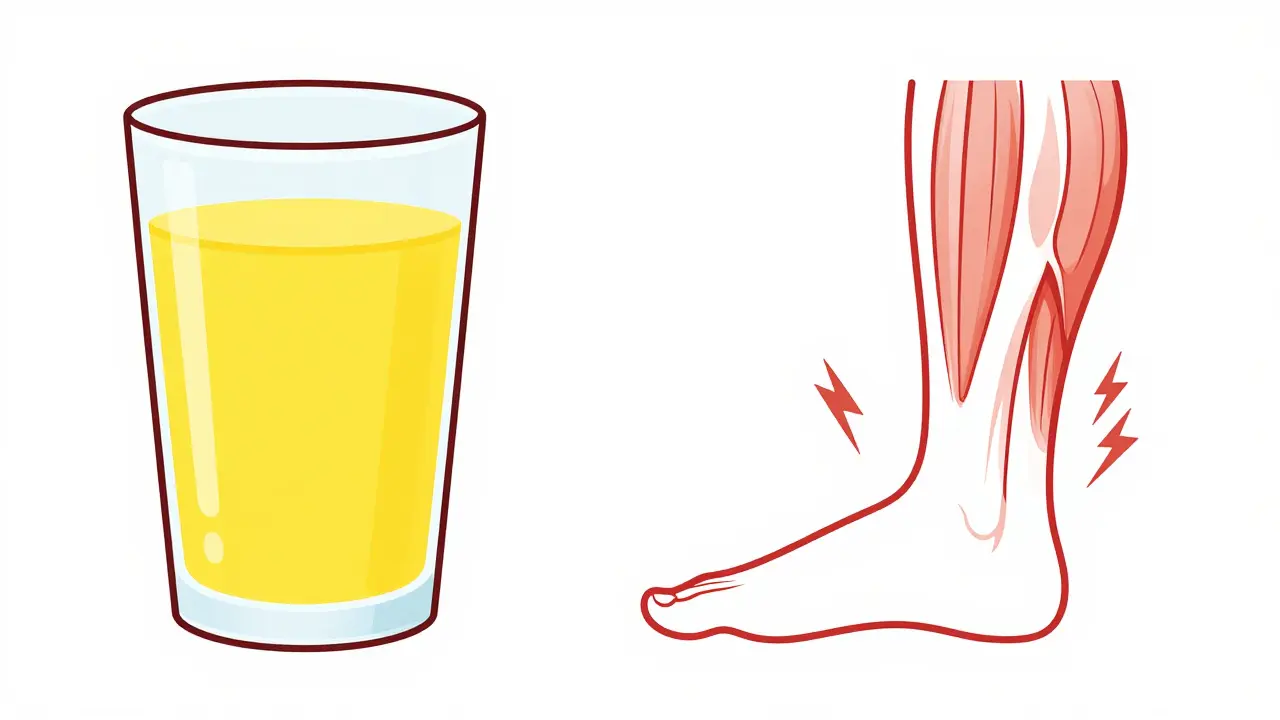
If you experience tea-colored/cola-colored urine or severe, unexplained muscle pain, seek immediate medical attention. These are signs of Rhabdomyolysis.
Taking a cholesterol medication seems straightforward until you realize that Simvastatin is an oral HMG-CoA reductase inhibitor used to lower LDL cholesterol and prevent cardiovascular disease. While it has helped millions since its 1991 approval, it is also one of the most "socially active" drugs in your cabinet-meaning it interacts with a staggering number of other substances. For some people, these interactions aren't just mild side effects; they can lead to total muscle breakdown or liver failure. If you are on a high dose, the stakes get even higher.
Key Safety Takeaways
- Avoid strong CYP3A4 inhibitors (like certain antibiotics and antifungals) entirely.
- The 80 mg daily dose carries a significantly higher risk of muscle damage than lower doses.
- Grapefruit juice can increase the drug's concentration in your blood by up to 260%.
- Rhabdomyolysis is the primary dangerous risk-watch for dark urine and severe muscle pain.
- Always check with a pharmacist before starting a new medication, even an over-the-counter one.
The Danger of the 80 mg Dose
Not all doses of Simvastatin are created equal. For a long time, doctors used 80 mg as the gold standard for aggressive cholesterol lowering. However, data from the SEARCH trial and the FDA's Adverse Event Reporting System revealed a frightening trend: the 80 mg dose is linked to a disproportionately higher rate of Rhabdomyolysis, a life-threatening condition where muscle tissue breaks down and releases a protein called myoglobin into the blood, which can crash the kidneys.
To put this in perspective, the risk of myopathy (muscle disease) jumps from about 0.08% at lower doses (20-40 mg) to 0.61% at the 80 mg level. Because of this, the FDA issued a strict safety communication in 2011, and modern guidelines from the American College of Cardiology now advise against starting new patients on the 80 mg dose. If you're still taking this high dose, you're in a high-risk bracket and need much closer monitoring of your liver enzymes and muscle health.
The CYP3A4 Enzyme: The Root of the Problem
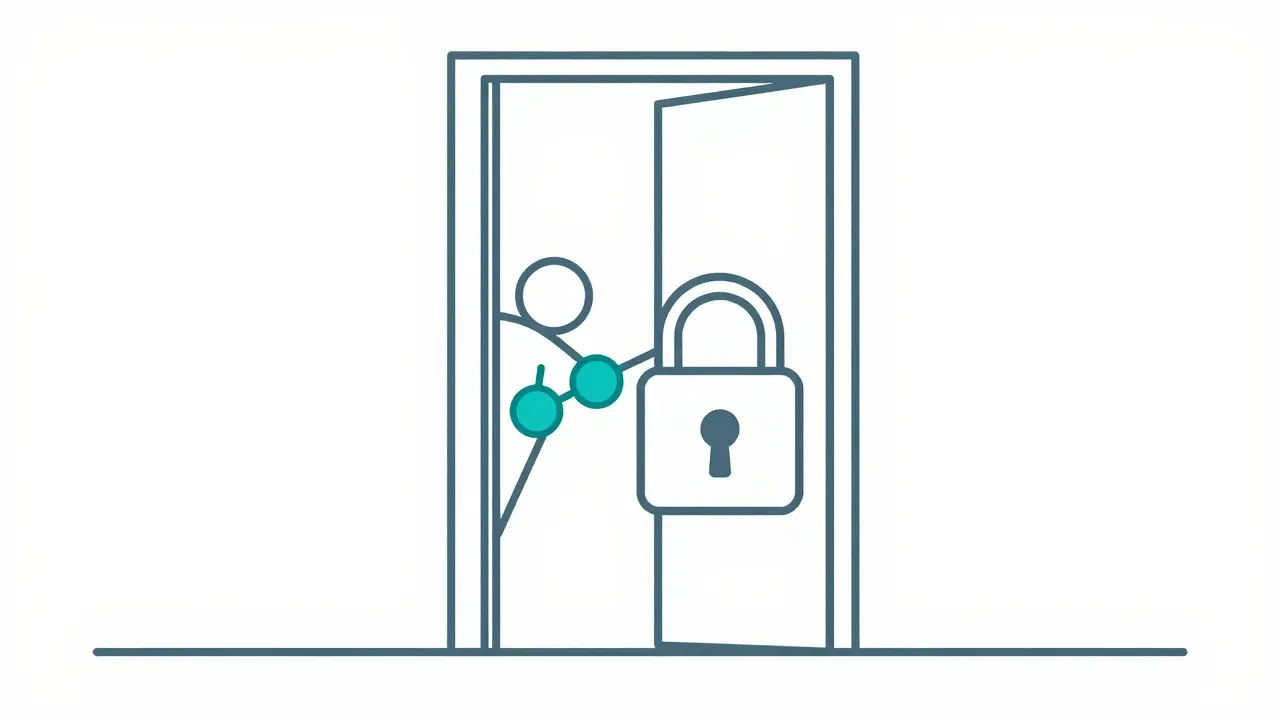
Why is Simvastatin so prone to interactions? It all comes down to how your body processes the drug. Simvastatin relies on a specific enzyme in your liver and intestines called CYP3A4 to be metabolized and cleared from your system. Think of CYP3A4 as the exit door for the medication.
When you take a drug that is a "strong CYP3A4 inhibitor," you are essentially locking that exit door. The Simvastatin can't leave your body, so it builds up in your bloodstream to toxic levels. This is where the danger starts. When the levels get too high, the drug stops just targeting the liver and starts attacking the skeletal muscles. This is why certain combinations are strictly contraindicated-meaning you should never take them together under any circumstances.
High-Risk Combinations You Must Avoid
Some drugs are far more dangerous than others when paired with Simvastatin. The most aggressive interactions occur with macrolide antibiotics and certain antifungals. For example, people taking Clarithromycin or Erythromycin while on a 40-80 mg dose of Simvastatin have been known to develop severe muscle damage within just 72 hours, often leading to immediate hospitalization.
| Risk Level | Examples of Interacting Drugs | Required Action |
|---|---|---|
| High (Contraindicated) | Ketoconazole, Itraconazole, Clarithromycin, HIV Protease Inhibitors (e.g., Ritonavir) | Complete avoidance or temporary discontinuation of Simvastatin. |
| Moderate | Amlodipine, Verapamil, Diltiazem, Colchicine, Gemfibrozil | Strict dose limits (usually max 10-20 mg) and frequent monitoring. |
| Dietary | Grapefruit juice, Seville oranges | Avoid entirely; can increase blood concentration by 260%. |
Beyond antibiotics, HIV protease inhibitors and strong antifungals like Voriconazole are equally dangerous. If you are an organ transplant patient taking Cyclosporine, the risk of rhabdomyolysis is extremely high. In these cases, doctors usually switch the patient to a different statin, like Rosuvastatin or Pravastatin, because those aren't processed by the CYP3A4 enzyme and don't carry the same interaction risks.
The "Grapefruit Effect"
It sounds like an old wives' tale, but the warning against grapefruit juice is based on hard science. Grapefruit contains compounds called furanocoumarins that block the CYP3A4 enzyme in your gut. When you drink just one glass (about 8 oz) of grapefruit juice, you're essentially dosing yourself with a potent enzyme inhibitor. This can spike the concentration of Simvastatin in your blood by more than double, turning a safe 20 mg dose into a dangerous high-dose exposure.
Interestingly, studies show that nearly 43% of people on high-dose Simvastatin still consume grapefruit products despite the warnings. If you enjoy grapefruit, it's time to talk to your doctor about switching to a statin that doesn't interact with your breakfast.
How to Spot a Dangerous Interaction
Since interactions can happen quickly, you need to know the red flags. The most common sign of a Simvastatin interaction is unexplained muscle pain. This isn't the usual soreness you feel after a gym session; it's a deep, aching pain that often hits the large muscle groups like the thighs or shoulders.
The "smoking gun" for rhabdomyolysis is dark, tea-colored, or cola-colored urine. This happens because the damaged muscle proteins (myoglobin) are leaking into the bloodstream and being filtered out by the kidneys, which can eventually lead to kidney failure. If you see this, it is a medical emergency. Other signs include extreme weakness and a general feeling of malaise or flu-like symptoms without a fever.
Managing Your Risks and Next Steps
If you are currently taking Simvastatin, you don't need to panic, but you should be proactive. First, look at your prescription bottle. If you are on 80 mg, ask your doctor if a lower dose combined with another cholesterol medication (like Ezetimibe) might be safer. Second, keep an updated list of all your medications-including supplements like St. John's Wort-and share it with every provider you see.
For those at higher genetic risk, some doctors now recommend SLCO1B1 genetic testing. This test identifies people who have a harder time transporting statins into the liver, making them up to 4.5 times more likely to suffer from muscle damage. Knowing your genetic profile can help your doctor choose the right dose or the right statin from the start.
Can I take a short course of antibiotics with Simvastatin?
It depends on the antibiotic. Macrolides like Clarithromycin are extremely dangerous and should be avoided. However, many other antibiotics don't interact with the CYP3A4 pathway. Always check the specific drug name with your pharmacist; they may suggest pausing your Simvastatin for a few days while you finish the antibiotic course.
Is it safe to take Simvastatin with other cholesterol drugs?
Some combinations are risky. For instance, combining Simvastatin with Gemfibrozil significantly increases the risk of muscle damage. While Fenofibrate is generally safer, any combination of lipid-lowering agents requires close medical supervision and regular blood tests to monitor liver and muscle health.
What should I do if I accidentally drank grapefruit juice?
A single glass is unlikely to cause immediate rhabdomyolysis, but it does increase the drug's levels in your blood. Monitor yourself for any unusual muscle tenderness or weakness over the next few days. If you notice dark urine or severe pain, contact a doctor immediately.
Why did my doctor move me from 80 mg to 40 mg?
The FDA and major cardiology associations have found that the 80 mg dose provides diminishing returns in cholesterol lowering while dramatically increasing the risk of severe muscle breakdown. Moving to 40 mg (or adding a second, non-statin medication) provides a better balance of safety and effectiveness.
Are there statins that don't have these interactions?
Yes. Statins like Rosuvastatin and Pravastatin are not metabolized by the CYP3A4 enzyme. This means they don't interact with grapefruit juice or the dangerous class of CYP3A4 inhibitors mentioned above, making them safer options for patients on complex medication regimens.