
Decongestants: What They Are, How They Work, and What You Need to Know
When your nose is clogged and you can’t breathe through it, decongestants, medications that shrink swollen blood vessels in the nasal passages to reduce stuffiness. Also known as nasal decongestants, they’re one of the most common over-the-counter remedies for colds, allergies, and sinus infections. They don’t cure anything—they just give you back your ability to breathe. But not all decongestants are the same, and not everyone should use them.
There are two main types: oral decongestants, pills or liquids taken by mouth, like pseudoephedrine and phenylephrine, and nasal spray decongestants, directly applied to the nose, like oxymetazoline and phenylephrine spray. Oral ones work slower but last longer—usually 4 to 12 hours. Nasal sprays give fast relief, often in minutes, but using them for more than three days can make your congestion worse. That’s called rebound congestion, and it traps you in a cycle: spray to feel better, then need more because the nose gets even more swollen when it wears off.
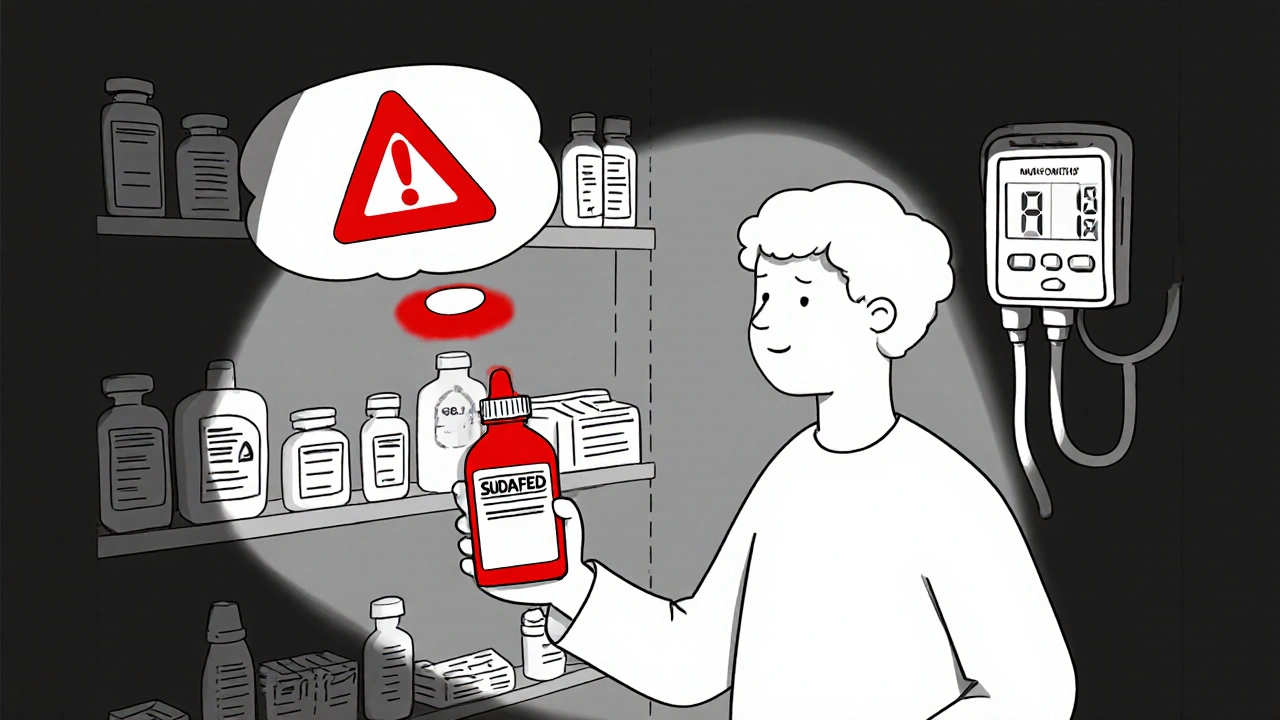
Decongestants aren’t harmless. They can raise your blood pressure, make your heart race, or interfere with thyroid meds, antidepressants, or high blood pressure drugs. If you have heart trouble, high blood pressure, glaucoma, or trouble urinating from an enlarged prostate, talk to a pharmacist before taking them. Even if you’re healthy, using them too often or too long can backfire. They’re meant for short-term relief, not daily use.
People often mix decongestants with antihistamines or pain relievers in multi-symptom cold formulas. That’s fine if you have multiple symptoms—but if you only have a stuffy nose, you don’t need the extra ingredients. Taking more than you need increases side effect risks without adding benefit. Always check the label. Many people don’t realize they’re doubling up—taking a cold pill and a separate decongestant, both with the same active ingredient.
What about natural options? Saline sprays, steam inhalation, and humidifiers don’t shrink blood vessels like decongestants do, but they help loosen mucus and soothe dry nasal passages. They’re safer for long-term use and work well alongside decongestants if you need extra relief. For kids, saline drops and suction bulbs are the go-to. Decongestants aren’t recommended for children under six without a doctor’s advice.
The posts below cover real-world situations where decongestants come up—sometimes as the main solution, sometimes as part of a bigger picture. You’ll find advice on when to use them, when to avoid them, how they interact with other meds, and what alternatives actually help. Whether you’re dealing with seasonal allergies, a stubborn cold, or chronic sinus pressure, there’s something here that matches your situation. No fluff. Just clear, practical info you can use today.
- Colin Hurd
- Nov, 29 2025
- 13 Comments
Decongestants and Blood Pressure Medications: What You Need to Know About the Hidden Risks
Decongestants like pseudoephedrine and phenylephrine can dangerously raise blood pressure, especially in people with hypertension. Learn which cold medicines to avoid, safer alternatives, and how to stay safe when you need relief.