
Phenylephrine: What It Is, How It Works, and What You Need to Know
When you have a stuffy nose, you probably reach for a medicine with phenylephrine, a decongestant used to shrink swollen blood vessels in the nasal passages to relieve congestion. Also known as a nasal decongestant, it’s in nearly every over-the-counter cold tablet, liquid, or nasal spray on the shelf. But here’s the catch: recent studies show it doesn’t work much better than a placebo when taken by mouth.
That’s because phenylephrine gets broken down in your gut before it ever reaches your nose. The FDA itself reviewed the evidence in 2024 and found no solid proof that oral phenylephrine reduces nasal congestion. It’s still sold everywhere because it replaced pseudoephedrine, a more effective decongestant that’s kept behind the pharmacy counter due to its use in making methamphetamine. So while pseudoephedrine works well, you need to ask for it, show ID, and buy it in limited amounts. Phenylephrine? You can grab it without a second thought—even if it’s not doing much for you.
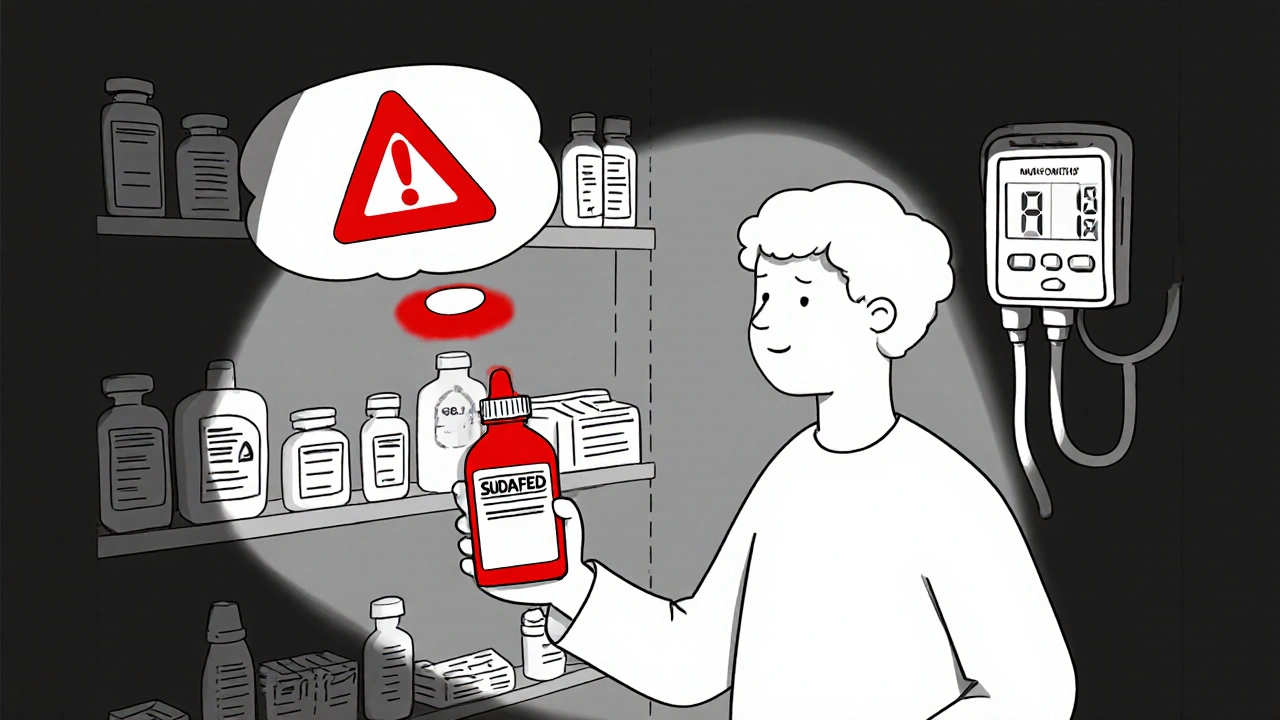
Still, phenylephrine isn’t useless. In nasal sprays, it works fast by acting right where it’s needed. But overuse can lead to rebound congestion—your nose gets worse after stopping it. And if you’re on blood pressure meds, phenylephrine can raise your pressure dangerously. It’s also in many combo cold products, so you might accidentally double up on it if you’re taking more than one remedy.
What you really need to know is this: if your nose is stuffed and the pills aren’t helping, try saline rinses, a humidifier, or a pseudoephedrine product if you can get it. If you’re stuck with phenylephrine, don’t expect miracles. And if you’re giving it to kids, check the label carefully—many pediatric cold products have been pulled because they don’t work and carry risks.
Below, you’ll find real-world guides on how to manage cold symptoms, avoid dangerous drug overlaps, and understand what’s actually in the medicine you’re taking. Some posts talk about how to spot fake drugs, others explain why certain ingredients are kept behind the counter, and a few show how to talk to your pharmacist about better options. This isn’t about marketing—it’s about what works, what doesn’t, and how to stay safe while you’re feeling under the weather.
- Colin Hurd
- Nov, 29 2025
- 13 Comments
Decongestants and Blood Pressure Medications: What You Need to Know About the Hidden Risks
Decongestants like pseudoephedrine and phenylephrine can dangerously raise blood pressure, especially in people with hypertension. Learn which cold medicines to avoid, safer alternatives, and how to stay safe when you need relief.