
Heartburn Medications in Pregnancy: Safe Options Like Antacids, H2 Blockers, and PPIs
- Colin Hurd
- 4 December 2025
- 14 Comments
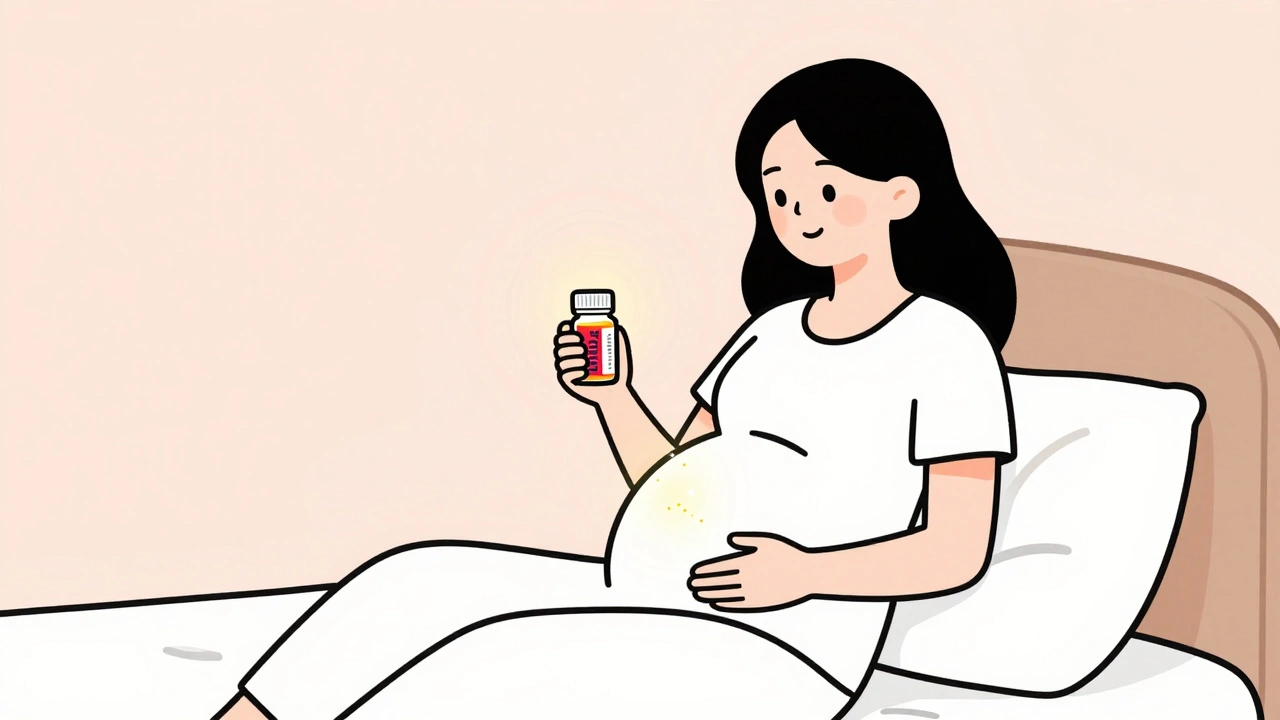
Heartburn during pregnancy isn’t just annoying-it’s common. Up to 80% of pregnant people experience it, especially in the second and third trimesters. Your growing baby is pushing up on your stomach, and hormones like progesterone are relaxing the valve that keeps stomach acid where it belongs. The result? Burning chest, sour taste, and sleepless nights. You want relief. But you also don’t want to risk your baby’s health. So what’s actually safe?
First-Line Defense: Calcium Carbonate Antacids
Tums isn’t just a household name-it’s the go-to for a reason. Calcium carbonate, the active ingredient in Tums and Rolaids, works fast. It neutralizes stomach acid right where it’s causing trouble. You’ll feel relief in minutes, and it lasts about an hour or two. But here’s the twist: while it’s easing your heartburn, it’s also giving your baby the calcium they need to build bones and teeth. That’s why doctors often say it’s the safest choice.Other antacids like Mylanta (which contains aluminum hydroxide and magnesium hydroxide) are also considered safe. But avoid anything with aluminum trisilicate or magnesium trisilicate. These can build up in your system and aren’t worth the risk. And don’t use Pepto-Bismol. It contains bismuth subsalicylate, which acts like aspirin-and aspirin during pregnancy can cause complications.
How much is too much? Stick to the label. Most experts suggest no more than 500-1500 mg of calcium carbonate every 4 to 6 hours as needed. Don’t go over that. Long-term, high-dose use can lead to constipation, kidney stones, or imbalances in your electrolytes. And if you’re already taking prenatal vitamins with calcium, you might be getting enough already. Talk to your provider before making this a daily habit.
Second-Line: H2 Blockers Like Famotidine (Pepcid)
If antacids aren’t cutting it, your doctor might suggest an H2 blocker. These work differently. Instead of neutralizing acid, they tell your stomach to produce less of it. Famotidine (Pepcid) is the most commonly recommended in this group. It kicks in within an hour and lasts up to 12 hours. That means you can take it before bed or before a big meal and stay comfortable longer than with antacids alone.
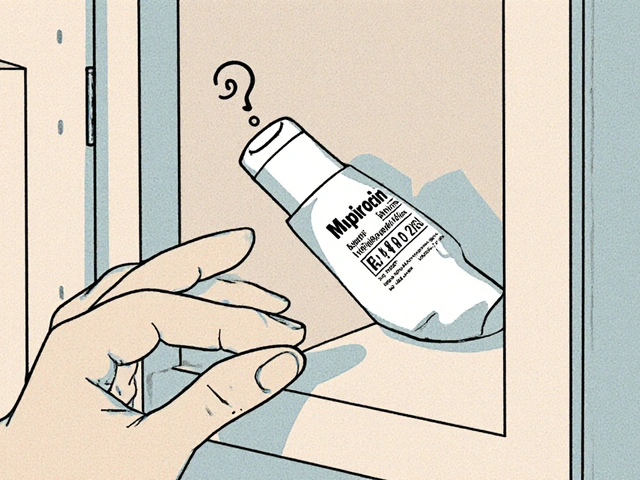
What about ranitidine (Zantac)? It’s off the market. The FDA pulled it in 2020 after finding traces of NDMA, a potential carcinogen. Even if you still have some in your cabinet, don’t use it. Stick with famotidine. It’s been studied in thousands of pregnant women and shows no increased risk of birth defects or complications.
Side effects are rare but possible. A small number of users report headaches, dizziness, or nausea. If you feel off after taking it, stop and call your provider. Don’t assume it’s just pregnancy. Also, avoid cimetidine (Tagamet). It’s less studied in pregnancy and can interfere with how other medications are processed in your body.
Third-Line: Proton Pump Inhibitors (PPIs) Like Omeprazole
PPIs are the strongest option. They shut down the acid pumps in your stomach lining entirely. Omeprazole (Prilosec) and lansoprazole (Prevacid) are the two most studied in pregnancy. They take longer to work-1 to 4 hours-but their effects last over 24 hours. That’s why they’re often used for persistent, severe heartburn that doesn’t respond to antacids or H2 blockers.
Here’s the catch: while most research shows they’re safe, there are still questions. A 2019 study in JAMA Pediatrics found a small link between PPI use in the first trimester and a slightly higher chance of childhood asthma. But it didn’t prove cause and effect. Other studies haven’t found the same link. The bottom line? Doctors won’t prescribe PPIs unless they really need to. If you’ve tried everything else and you’re still in pain, the benefit of relief might outweigh the small, uncertain risk.
Long-term use of PPIs can affect calcium absorption and increase the risk of bone fractures later in life. That’s not a big concern for a few weeks of use during pregnancy, but if you’re on them for months, your provider should monitor you. Don’t self-prescribe. Always get medical approval.
What to Avoid Completely
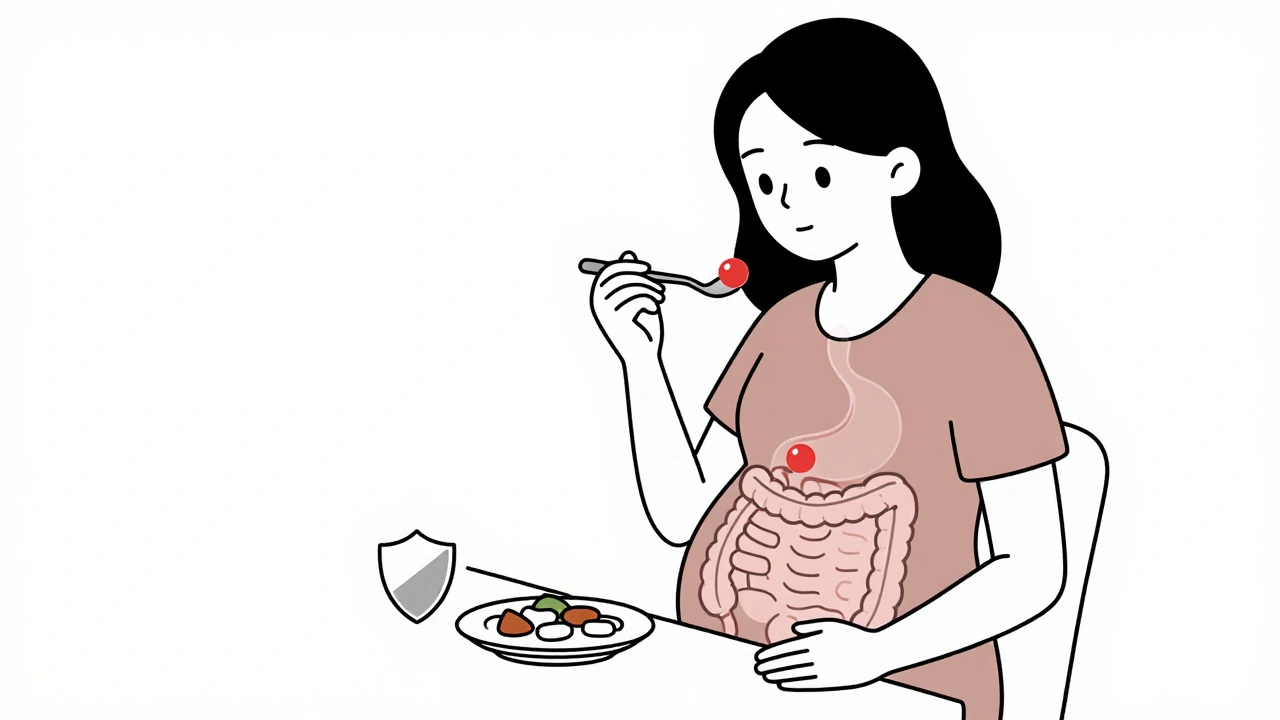
Some medications are a hard no. Pepto-Bismol is one-because of the aspirin-like ingredient. So is Alka-Seltzer. It contains aspirin and sodium bicarbonate, which can raise blood pressure and affect fetal development. Avoid any product with “salicylate” or “aspirin” in the ingredients.
Also skip herbal remedies unless your provider says it’s okay. Ginger is often recommended for nausea, but its safety for heartburn isn’t well studied in pregnancy. Same with licorice root, aloe vera, and chamomile. They might seem natural, but “natural” doesn’t mean safe during pregnancy.
Timing Matters: First Trimester Caution
The first 14 weeks are the most sensitive. That’s when your baby’s organs are forming. Even safe medications should be avoided if possible during this time. Your body is doing a lot of heavy lifting already. If you can manage heartburn with lifestyle changes, do it.
After week 14, the risk drops significantly. That’s when most providers feel comfortable recommending antacids or H2 blockers. PPIs are still used cautiously, but if you’re struggling with pain that’s affecting your sleep or eating, they’re an option.
Lifestyle Changes: The Real First Step
Medications help-but they’re not the only tool. In fact, they’re meant to support what you’re already doing. Here’s what works:
- Eat smaller meals, 5-6 times a day instead of 3 big ones.
- Avoid spicy, fatty, fried, or acidic foods-citrus, tomatoes, coffee, chocolate, and carbonated drinks are common triggers.
- Don’t lie down for at least 3 hours after eating. Gravity helps keep acid down.
- Wear loose clothing. Tight waistbands press on your stomach.
- Elevate your head while sleeping. Use pillows or a wedge to raise your upper body by 6-8 inches.
- Drink fluids between meals, not during. Too much liquid during eating can overfill your stomach.
These aren’t just tips-they’re evidence-based strategies. Studies show that combining lifestyle changes with medication gives the best results. Many women find they need less medicine-or none at all-once they adjust their habits.

When to Call Your Doctor
Heartburn is normal. But some symptoms aren’t. Call your provider if:
- Your heartburn wakes you up at night regularly.
- You’re vomiting blood or your vomit looks like coffee grounds.
- You’re losing weight or having trouble swallowing.
- You have chest pain that radiates to your arm, jaw, or back.
These could signal something more serious-like GERD complications, a hiatal hernia, or even heart issues. Don’t assume it’s just pregnancy. Get it checked.
What About Breastfeeding?
Good news: most of these medications are safe while breastfeeding. Calcium carbonate doesn’t enter breast milk in meaningful amounts. Famotidine passes into breast milk in tiny amounts, and studies show no effect on babies. Omeprazole is also considered low risk. The amount your baby gets through milk is far below what they’d get from direct treatment.
Still, if you’re taking any medication long-term while nursing, talk to your provider. Watch your baby for unusual fussiness, diarrhea, or poor feeding. Most won’t have any issues, but it’s good to stay alert.
Bottom Line: Safer Choices, Smarter Use
Heartburn in pregnancy is common, treatable, and rarely dangerous. You don’t have to suffer. But you also don’t need to guess what’s safe. Start with lifestyle changes. If you need more, reach for calcium carbonate antacids like Tums. If that’s not enough, ask about famotidine. Save PPIs for when nothing else works-and only with your doctor’s okay.
Every pregnancy is different. What works for one person might not work for another. That’s why talking to your provider isn’t just a good idea-it’s essential. They know your history, your health, and your baby’s needs. Let them help you choose the right path.

Comments
Ada Maklagina
Been there, done that. Tums saved my sanity during third trimester. No more midnight pacing, just a handful of orange tablets and back to sleep.
December 4, 2025 AT 15:29
Mark Ziegenbein
Let’s be real - the entire pharmaceutical industry is built on exploiting maternal anxiety. You’re told to avoid Pepto-Bismol because of aspirin-like compounds but then handed a $40 bottle of omeprazole with zero long-term safety data. The fact that we’re even having this conversation means we’ve outsourced basic physiology to Big Pharma. Calcium carbonate? Sure. It’s chalk. It’s literally ground-up limestone. But ask yourself why the FDA doesn’t just recommend eating Tums like candy if it’s so safe. Because profit margins don’t scale with minerals.
And don’t get me started on ‘lifestyle changes.’ Eat smaller meals? I was eating five meals a day because I was starving. Elevate your head? I slept propped up on three pillows and a yoga block. The real first step is recognizing that pregnancy is a physiological siege, not a checklist of avoidable discomforts. They give you meds because they don’t want to admit that your body is being hijacked by evolution.
December 6, 2025 AT 07:19
Harry Nguyen
Of course the government says Tums are safe. They also said lead paint was fine for cribs in the 50s. You think they care about your baby? They care about liability. PPIs are fine until you realize they mess with your gut biome and your kid gets allergies. And don’t even mention the fluoride in toothpaste - that’s in your prenatal vitamins too. You’re being played.
December 8, 2025 AT 05:34
Lucy Kavanagh
Did you know that in Sweden they don’t even use Tums during pregnancy? They use herbal teas and acupuncture. And their babies are healthier. The US is so obsessed with pills that we forget our bodies used to work just fine. I read on a blog that magnesium citrate is actually better than calcium carbonate - but no one talks about it because Big Pharma owns the FDA. I’m not paranoid, I’m informed.
December 9, 2025 AT 01:48
Chris Brown
While I appreciate the clinical thoroughness of the foregoing exposition, I must register my profound skepticism regarding the uncritical endorsement of calcium carbonate as a first-line intervention. The pharmacokinetic profile of exogenous calcium supplementation during gestation, particularly in the context of concomitant prenatal vitamin administration, presents a non-trivial risk of hypercalcemia. Furthermore, the implicit assumption that maternal symptom relief equates to fetal benefit constitutes a logical fallacy of post hoc ergo propter hoc. One cannot infer safety from utility.
December 10, 2025 AT 18:56
Stephanie Fiero
YESSSS this is so real!! I took Tums like candy and still got heartburn so bad I cried. Then I started sleeping on a wedge and it was like a miracle. Also, avoid pizza at 11pm. I know you want it. Don’t do it. You’ll regret it. You got this mama!! 💪❤️
December 10, 2025 AT 19:46
sean whitfield
Antacids? H2 blockers? PPIs? You’re all missing the point. The body doesn’t need to be fixed. It needs to be listened to. Heartburn isn’t a disease - it’s a message. Your stomach is screaming: I’m full. I’m stressed. I’m not supposed to be doing this. You don’t need medicine. You need silence. Sit still. Breathe. Let your body tell you what it needs. Not a doctor. Not a label. Not a pill.
December 11, 2025 AT 06:12
Carole Nkosi
You’re all so naive. This is a capitalist trap. They want you to believe you need drugs to survive pregnancy. But the truth? Your ancestors didn’t take Tums. They ate ginger, drank warm water, and slept on dirt floors. You think your baby is safer because you swallowed a pill? No. You think you’re being responsible. You’re being manipulated. The system profits from your fear. Wake up.
December 11, 2025 AT 21:14
Stephanie Bodde
OMG I’m so glad someone wrote this!! I was so scared to take anything but Tums and then my OB said Pepcid was fine. Best decision ever. Also, the wedge pillow? Life changer. I finally slept through the night at 34 weeks. You’re not alone!! 🤗💕
December 12, 2025 AT 01:44
Philip Kristy Wijaya
The structural integrity of modern obstetric guidelines is predicated upon a priori assumptions regarding pharmaceutical neutrality. The notion that calcium carbonate is benign is a statistical artifact of industry-funded longitudinal studies with insufficient control groups. The absence of documented teratogenicity does not constitute evidence of safety. One must interrogate the epistemological foundations of clinical consensus before accepting it as truth.
December 14, 2025 AT 00:24
Jennifer Patrician
They don’t want you to know that PPIs are linked to autism. It’s in the FDA’s secret database. They removed Zantac because it had a trace of carcinogen but kept omeprazole because it’s made by the same company that funds their board. I know someone whose kid got diagnosed with autism after she took Prilosec. Coincidence? I don’t think so. Stop trusting doctors. Trust your gut. And stop taking pills.
December 15, 2025 AT 13:34
Mellissa Landrum
why do ppl keep saying tums are safe?? i heard they cause kidney stones and make your baby hyper. also pepcid is just a gateway drug to ppi’s and then your kid grows up with zero stomach acid and eats only mush. i’m just sayin. natural is better. ginger tea all the way. also avoid soy. soy is evil.
December 16, 2025 AT 14:07
Mark Curry
I think the most important thing here is that every body is different. What works for one person might not work for another. It’s okay to need help. It’s okay to take a pill. It’s also okay to try the lifestyle stuff first. No one’s perfect. We’re all just trying to do our best. 🌱
December 18, 2025 AT 12:15
aditya dixit
As a father of two and a medical researcher, I can say this: the most effective strategy is always combination therapy. Lifestyle changes reduce the need for medication. Medication reduces the stress that worsens heartburn. It’s not either/or - it’s both. And the data is clear: calcium carbonate and famotidine are among the safest options available. Trust the science, not the noise. Your body is changing - give it the tools to adapt, not just suppress.
December 20, 2025 AT 09:00