
Telemedicine Prescriptions and Generics: What You Need to Know in 2025
- Colin Hurd
- 7 December 2025
- 9 Comments
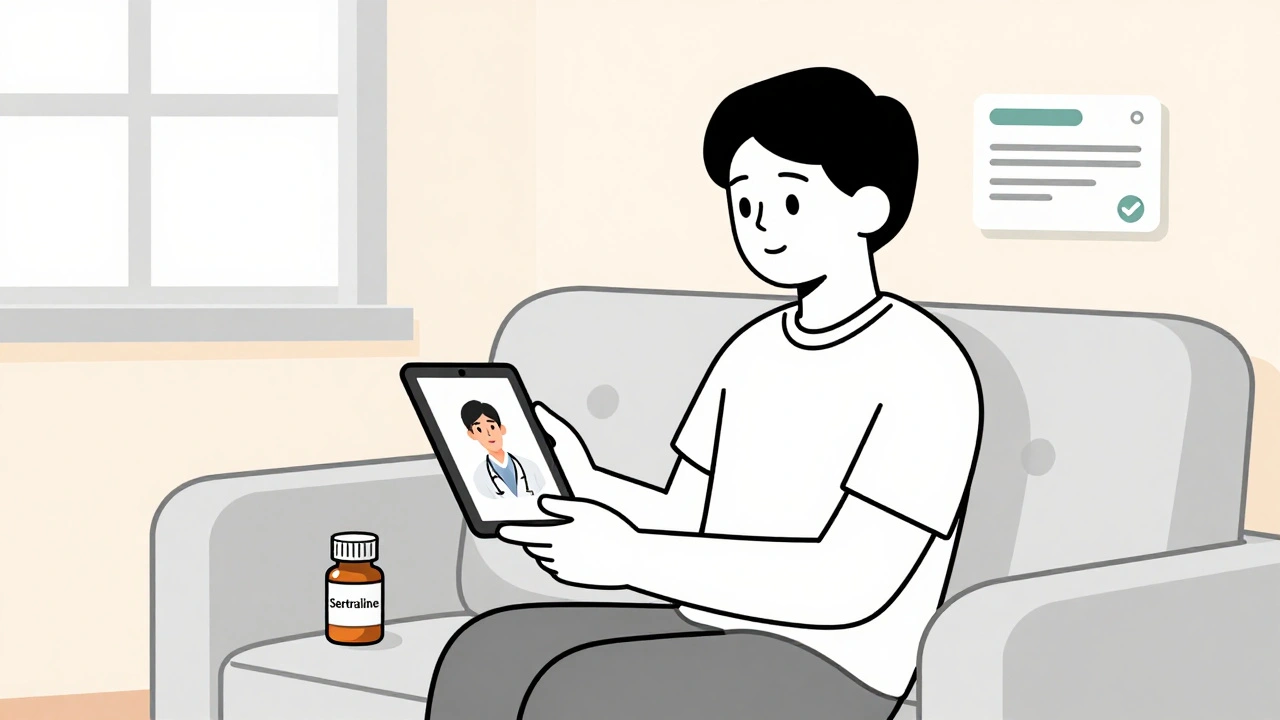
When you need a refill for your generic sertraline or your child’s ADHD medication, you might not think twice about getting it through a telemedicine visit. But behind that simple click-and-send prescription is a complex web of federal rules, state laws, and technical hurdles that change how and when you can get medicine online. In 2025, the rules around telemedicine prescriptions-especially for controlled substances-are more detailed, more restrictive, and more confusing than ever. And the difference between a non-controlled generic and a Schedule III drug like buprenorphine? It’s the difference between easy access and a bureaucratic maze.
What’s Allowed and What’s Not
You can legally get almost any generic medication through telemedicine without an in-person visit. That includes common drugs like lisinopril, metformin, levothyroxine, and sertraline. No DEA registration needed. No state PDMP check. Just a video call, a diagnosis, and a digital prescription sent to your pharmacy.
But if your prescription is for a controlled substance-even if it’s a generic version-you’re entering a different world. The DEA’s new rules, effective January 17, 2025, split controlled substances into two categories: those you can get via telemedicine with restrictions, and those you basically can’t get at all unless you’re a specialist.
For example, generic buprenorphine (used to treat opioid addiction) is a Schedule III drug. Under the new rules, you can get an initial six-month supply via telemedicine without ever stepping into a clinic. But after that, you must either see your provider in person or meet strict ongoing conditions. Generic Adderall or oxycodone? Those are Schedule II. Only board-certified psychiatrists, hospice doctors, pediatricians, neurologists, or long-term care physicians can prescribe them via telemedicine. A family doctor? Not unless they can prove a “most compelling use case”-and even then, it’s rare.
The Hidden Rules: PDMP, EPCS, and Identity Checks
It’s not enough to just have a Zoom appointment. If you’re getting a controlled substance, your provider must do three things before hitting “send”:
- Check your state’s Prescription Drug Monitoring Program (PDMP) and log the exact time and date of the check.
- Verify your identity using a government-issued photo ID-driver’s license, passport, military ID.
- Send the prescription electronically through EPCS (Electronic Prescribing of Controlled Substances), not regular e-script.
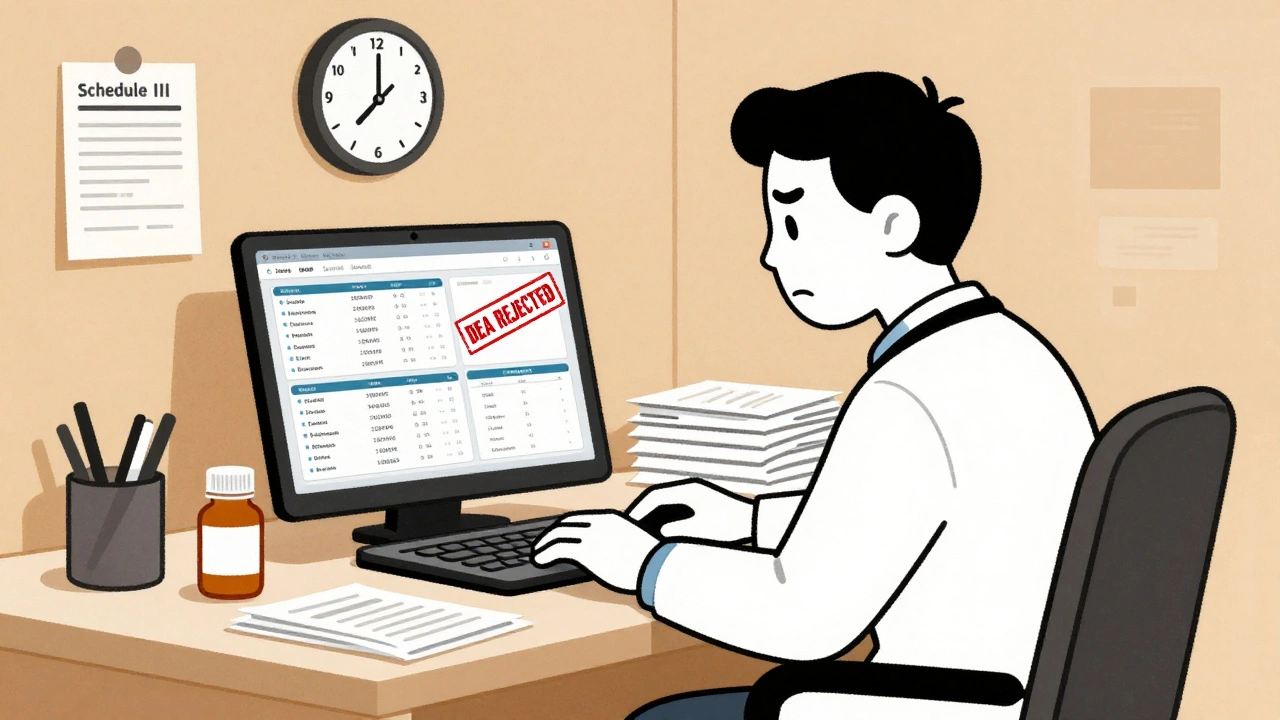
That’s not optional. And it’s not easy. A 2025 DEA report found only 37% of telehealth platforms have fully integrated PDMP systems. In states like Montana or Idaho, where patients live across multiple state lines, providers have to check up to five different PDMPs per patient. One rural doctor in Montana told me it adds 15 to 20 minutes to every appointment.
And if your provider forgets to log the PDMP check? Your prescription gets rejected. The DEA rejected 42% of first-time registration applications in early 2025 for exactly that reason.
Why Generics Are Treated So Differently
Here’s the irony: the same drug, in generic form, can be treated completely differently based on its DEA schedule. Sertraline? Non-controlled. You can get it every 90 days via telemedicine, no limits. Buprenorphine? Also generic. But because it’s Schedule III, you hit a six-month wall. Clinical guidelines from the American Society of Addiction Medicine say 12 months of treatment gives the best results. Yet the law says six.
This isn’t based on science. It’s based on decades-old fears about drug diversion. The DEA’s rules were designed to stop “pill mills” and online pharmacies that sold opioids without a real doctor-patient relationship. But now, they’re blocking access for people who need treatment the most-especially in rural areas where clinics are hours away.
Who Can Prescribe What-and Who Can’t
The DEA’s new registration system created three paths:
- Telemedicine Prescribing Registration: For providers treating opioid use disorder with Schedule III-V drugs. Allows the six-month initial supply via telemedicine.
- Advanced Telemedicine Prescribing Registration: Only for specialists: psychiatrists, hospice doctors, pediatricians, neurologists, and long-term care physicians. Lets them prescribe Schedule II-V drugs via telemedicine.
- Telemedicine Platform Registration: For companies like Teladoc or Amwell that connect patients to doctors. Must verify identities, log audits, and report to DEA.
Primary care doctors? They’re mostly locked out. That’s a big problem. Eighty percent of people with opioid use disorder first go to their family doctor-not a psychiatrist. If those doctors can’t prescribe buprenorphine via telemedicine, patients either wait months for a specialist or go without.
What’s Happening Right Now (2025)
The current emergency flexibilities from the pandemic expire December 31, 2025. After that, every telemedicine prescription for a controlled substance must follow the new rules. No extensions expected. The DEA has already delayed two final rules-on buprenorphine treatment for veterans and continuity of care-until the end of the year, but that’s just to give providers time to adjust.
Meanwhile, Medicare is making things harder. Starting October 1, 2025, Medicare will only pay for telehealth mental health services if the patient had an in-person visit in the past. That means if you’ve been getting your antidepressant refill via Zoom for a year, you might suddenly need to drive to a clinic just to keep your coverage.
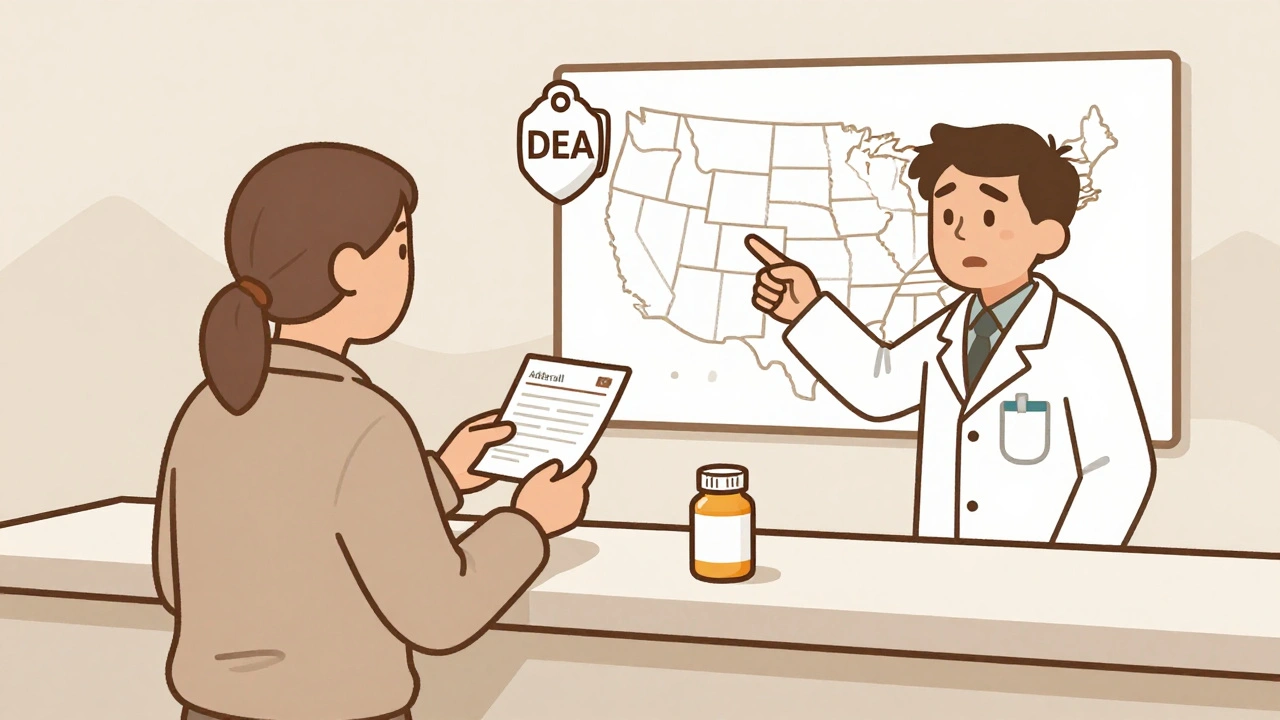
And pharmacies? They’re still learning. A Reddit user in Nevada reported three prescriptions rejected because her local pharmacy didn’t recognize a California-based doctor’s DEA registration. It’s not illegal-it’s just unfamiliar. Pharmacists aren’t trained on the new rules. And when a prescription gets flagged, it gets held up for days.
What This Means for You
If you’re using telemedicine for generic medications like blood pressure pills, thyroid meds, or antidepressants: you’re fine. The system works. You’ll get your refills without hassle.
If you’re getting a controlled substance-like buprenorphine, Adderall, or oxycodone-you need to know your provider’s registration status. Ask them:
- Are you registered under the Telemedicine Prescribing Registration or Advanced Registration?
- Do you check the PDMP for every patient?
- Can you send prescriptions via EPCS?
If they say no to any of these, they can’t legally prescribe controlled substances to you via telemedicine. And if you’re in a rural area or have mobility issues, this isn’t just inconvenient-it’s dangerous.
What’s Next?
The DEA is building a national PDMP system with $127 million in funding, but experts say it won’t be fully functional until late 2027. Until then, providers are stuck juggling 50 different state systems. And with compliance costs rising 35% for telehealth platforms, some smaller services may shut down or stop offering controlled substance prescriptions altogether.
For non-controlled generics, the future is bright. The market for telemedicine prescriptions is growing at over 22% a year. More people will use digital health for routine meds. But for addiction treatment, chronic pain, and ADHD, the road ahead is rocky. The rules are trying to balance safety and access-but right now, they’re tipping too far toward control.
What you can do: Keep records of your prescriptions. Know your rights. If your provider says they can’t prescribe your medication via telemedicine, ask why. And if you’re relying on these services for life-saving treatment, stay informed. The rules change fast-and you need to change with them.
Can I get any generic medication through telemedicine?
Yes, you can get any non-controlled generic medication through telemedicine without an in-person visit. This includes common drugs like metformin, lisinopril, levothyroxine, sertraline, and ibuprofen. There are no federal restrictions on prescribing these via video visit. The only requirement is that your provider establishes a legitimate medical relationship with you during the consultation.
Why can’t I get my Adderall refill through telemedicine?
Adderall (generic: amphetamine/dextroamphetamine) is a Schedule II controlled substance. Under 2025 DEA rules, only specific specialists-board-certified psychiatrists, pediatricians, neurologists, hospice doctors, or long-term care physicians-can prescribe Schedule II drugs via telemedicine. Most primary care providers are not allowed to do this unless they meet an extremely narrow “most compelling use case.” If your doctor isn’t one of those specialists, they legally can’t send your Adderall prescription online.
How long can I get buprenorphine via telemedicine?
You can receive an initial six-month supply of generic buprenorphine via telemedicine without an in-person visit. After that, you must either have an in-person evaluation with your provider or continue telemedicine under strict conditions, including documented PDMP checks and EPCS compliance. This six-month limit contradicts clinical guidelines that show 12 months of treatment leads to better outcomes for opioid use disorder.
Do I need to show ID for a telemedicine prescription?
Yes, if you’re getting a controlled substance, your provider must verify your identity using a government-issued photo ID-like a driver’s license, passport, or military ID. This is required by DEA rules and must be documented in your medical record. For non-controlled generics, ID verification is not federally required, though some platforms may still ask for it.
Why do some pharmacies reject my telemedicine prescription?
Many pharmacists aren’t trained on the new DEA telemedicine rules. Even if your provider followed all the rules-PDMP check, EPCS, ID verification-your prescription might get flagged because the pharmacy doesn’t recognize your doctor’s out-of-state DEA registration. This is especially common when you live in one state and your provider is in another. If this happens, ask your provider to contact the pharmacy directly or ask for a paper prescription as a backup.
Will Medicare cover my telemedicine prescription in 2025?
Starting October 1, 2025, Medicare will only reimburse telehealth mental health services if you’ve had an in-person visit with a provider within the past year. This means if you’ve been getting your antidepressant or buprenorphine refill via telemedicine for over a year, you may need to schedule an in-person appointment just to keep your coverage. This rule doesn’t apply to non-mental health prescriptions like blood pressure or diabetes meds.


Comments
Taya Rtichsheva
so like... i got my sertraline refilled via telehealth last week and didn't even leave my couch 🤷♀️ but when i asked about buprenorphine for my cousin they acted like i was asking for a bomb manual. the system is broken but also kinda hilarious
December 7, 2025 AT 22:14
Carina M
It is profoundly irresponsible to equate the regulatory safeguards surrounding Schedule II and III substances with the dispensation of antihypertensives or thyroid replacements. The former are subject to documented patterns of diversion, abuse, and lethal consequences; the latter are not. To diminish the gravity of controlled substance regulation is not only intellectually lazy, it is morally negligent.
December 8, 2025 AT 11:28
William Umstattd
This is a national disaster waiting to happen. We've gone from "just say no" to "just click yes"-and now people are dying because a family doctor can't prescribe buprenorphine unless they're a neurologist with a PhD in bureaucracy. The DEA isn't protecting patients-they're protecting their own outdated playbook. This isn't regulation. It's punishment dressed up as policy.
December 10, 2025 AT 09:55
Angela R. Cartes
i mean... if i have to show my driver's license for a zoloft refill i'm gonna scream 😤 why is this so hard? just let me get my meds and stop making me feel like a criminal for being depressed
December 11, 2025 AT 17:38
Lisa Whitesel
The 42% rejection rate isn't a bug. It's a feature. If you're not compliant, you don't deserve access. People need to stop treating medicine like a grocery order
December 12, 2025 AT 09:44
Larry Lieberman
so if i'm in rural wyoming and my doc can't prescribe adderall via telehealth... do i have to drive 4 hours to see a psychiatrist who might not even take my insurance? 🤔 this isn't healthcare. this is a maze with no exit
December 12, 2025 AT 16:44
Courtney Black
The irony is not lost on me that we live in a society that will happily prescribe antidepressants to millions without blinking but will treat someone seeking treatment for opioid use disorder like a suspect in a heist. The moral panic around addiction is not rooted in science-it’s rooted in shame. And shame doesn’t heal. It isolates. And isolation kills. We are not fixing a problem. We are performing a ritual of control while people drown.
December 13, 2025 AT 05:27
Anna Roh
pharmacies rejecting prescriptions because they don't recognize out-of-state DEA numbers? that's not a policy gap. that's incompetence. someone needs to train these people or just shut the whole thing down
December 13, 2025 AT 07:24
om guru
The integrity of medical practice must be preserved. Access must be balanced with responsibility. Telemedicine offers great convenience, but controlled substances demand rigorous oversight. We must not sacrifice safety for speed. Let the system adapt, but never compromise. Discipline ensures survival.
December 14, 2025 AT 05:38