Obstructive Sleep Apnea: CPAP Therapy and Alternative Treatments Guide
- Colin Hurd
- 27 March 2026
- 0 Comments
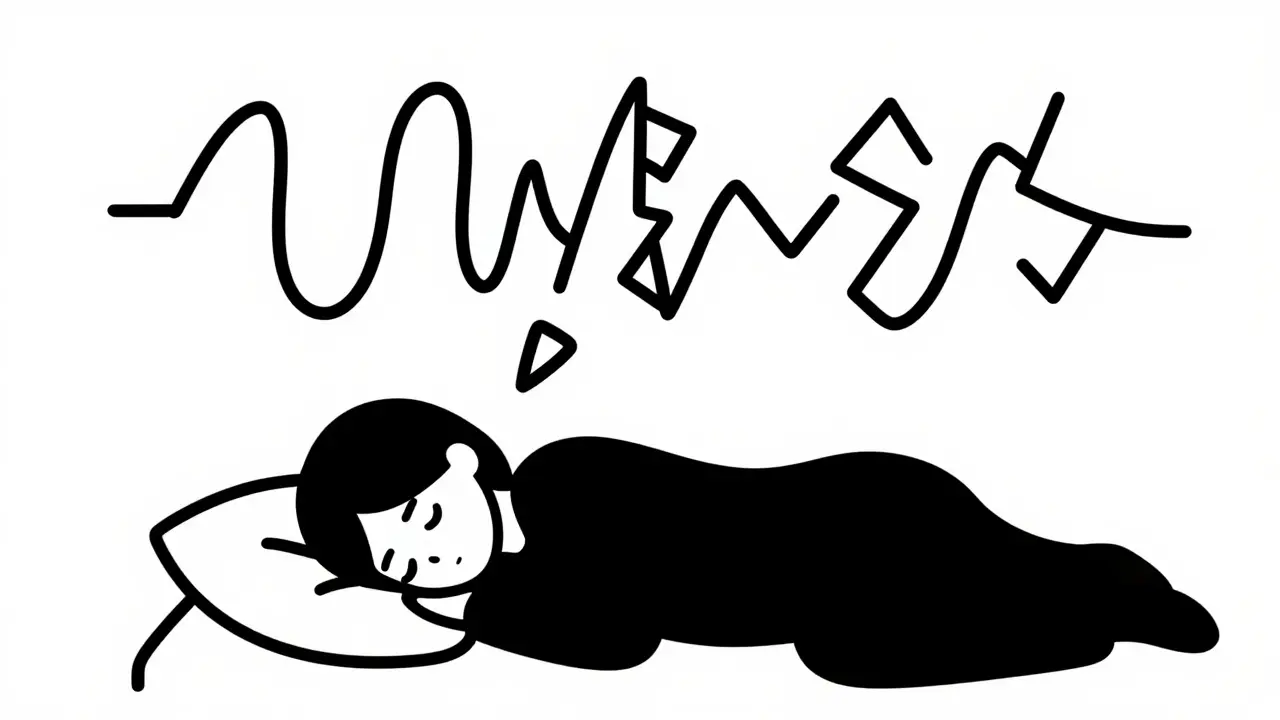
Imagine falling asleep and waking up forty times a night without realizing it. That is essentially what happens with untreated obstructive sleep apnea (OSA). Your body stops breathing repeatedly during the night, dropping oxygen levels and fragmenting your rest. While you might think you are sleeping soundly, your brain is pulling you out of deep sleep just enough to restart your breath. This cycle doesn't just leave you tired; it raises the risk of heart issues and high blood pressure. Fortunately, effective treatments exist, ranging from machines that keep your airway open to devices you wear in your mouth.
Understanding Obstructive Sleep Apnea
To choose the right treatment, you first need to understand what you are treating. Obstructive Sleep Apnea is a chronic condition characterized by repeated collapse of the upper airway during sleep, causing breathing interruptions that fragment sleep architecture. Also known as OSA, it affects roughly 1 billion people worldwide according to recent estimates from Yale Medicine researchers. The severity is measured by the Apnea-Hypopnea Index (AHI), which counts how many times your breathing pauses per hour. If that number sits between 5 and 15 events an hour, it is considered mild. Once it climbs past 15, it becomes moderate to severe. These pauses aren’t just annoying; they force your heart to work harder and starve your brain of oxygen.
How CPAP Therapy Works
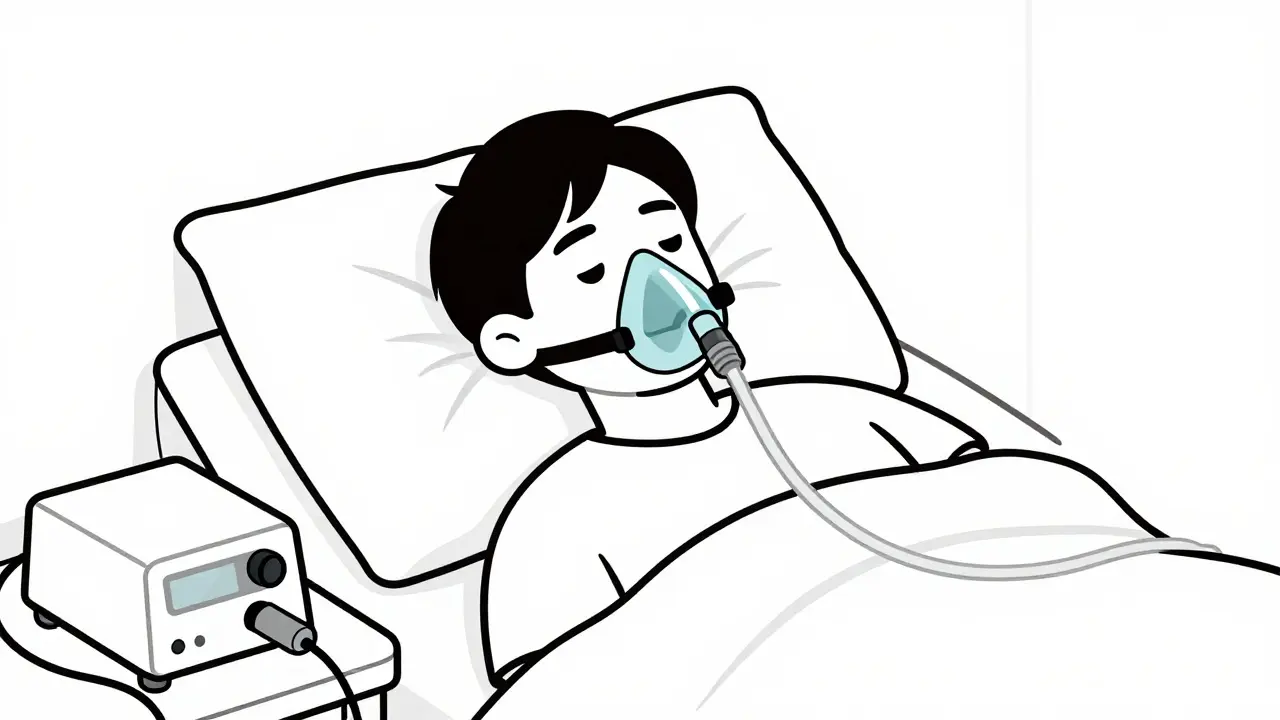
For decades, Continuous Positive Airway Pressure (CPAP) has been the gold standard. Developed in 1981 by Australian physician Dr. Colin Sullivan, this device delivers a constant stream of pressurized air through a mask. Think of it like an invisible splint that holds your airway open while you sleep. The air pressure typically ranges from 4 to 20 cm H2O depending on your specific anatomy. When used correctly, a CPAP machine can reduce AHI from severe levels down to near-normal within months.
Modern setups have moved beyond just a simple fan blowing air. You now have three main variants to consider. Standard CPAP uses a fixed pressure setting determined during a sleep lab test. Auto-adjusting CPAP (APAP) is smarter; it monitors your breathing patterns in real-time and dynamically adjusts pressure between settings throughout the night. Then there is bilevel positive airway pressure (BiPAP), which provides two different pressures-one higher for inhaling and one lower for exhaling-which helps patients who struggle with the feeling of pushing against resistance when breathing out.
Getting Started With the Machine
Starting therapy often feels like learning a new skill rather than just using a product. Most doctors recommend a gradual introduction, starting with wearing the mask for just an hour during the day before trying it for a full night. This acclimatization process takes about two to four weeks for most users. Common barriers include mask discomfort reported by 35% of new users, and claustrophobia affecting another 12% of patients. If you feel restricted, try switching to nasal pillows instead of a full-face mask. If air leaks through your mouth, a chin strap can prevent this without needing a bigger mask. Proper hygiene matters too; wash the mask daily and disinfect the tubing weekly to avoid infections.
Viable Alternatives to CPAP
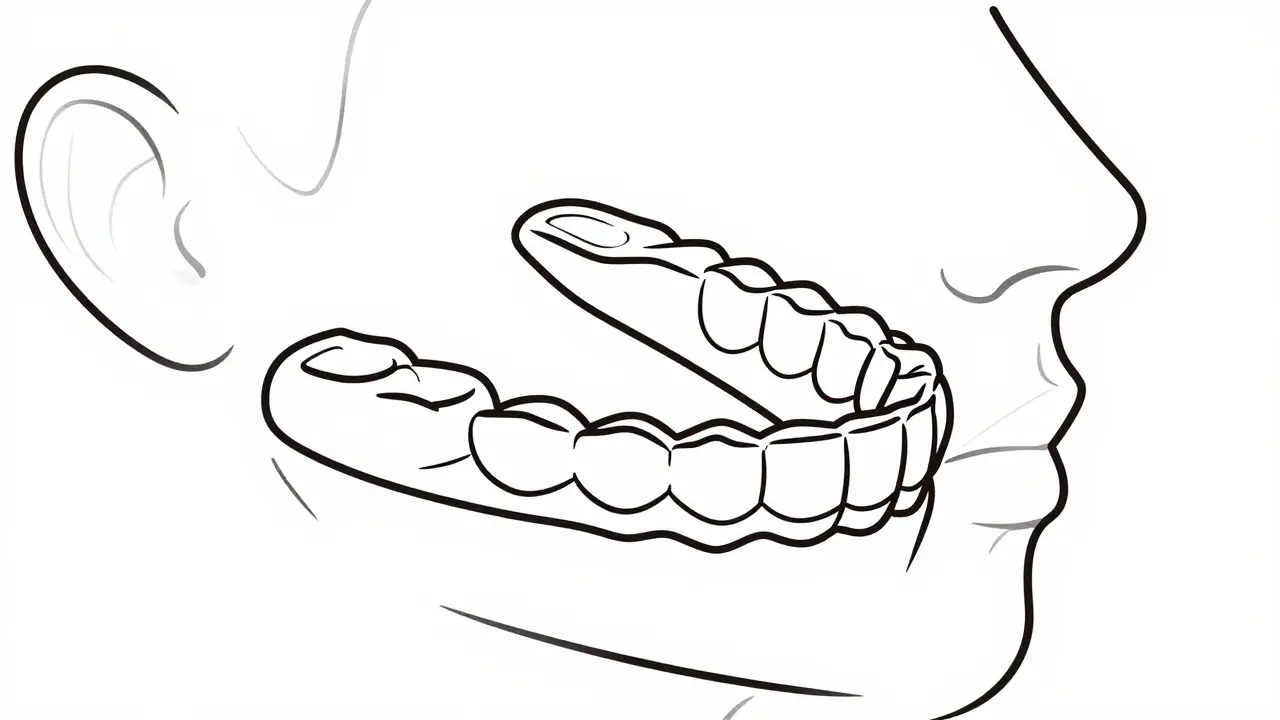
Not everyone tolerates the machine well enough to use it every night. In those cases, alternatives come into play. Oral appliances are custom-fitted devices that sit in your mouth like a mouthguard, shifting your jaw slightly forward to keep the throat open. While they might not fix severe cases as well as a CPAP, patients generally prefer them for comfort and travel ease. Another option is hypoglossal nerve stimulation (Inspire therapy). This involves implanting a device that stimulates the tongue muscles to move away from the airway during sleep. It is invasive and expensive, costing around $35,000 out-of-pocket, but it eliminates the need for nightly mask wearing.
| Treatment Type | Best For | Efficacy Rating | User Experience |
|---|---|---|---|
| CPAP Therapy | Moderate to Severe OSA | High (near 100% when adhered) | Can feel claustrophobic, requires setup |
| Oral Appliance | Mild to Moderate OSA | Moderate (varies by patient) | High comfort, easy to travel |
| Hypoglossal Stimulation | Failed CPAP Users | High (79% reduction in AHI) | Surgical implant required, expensive |
The Reality of Treatment Success
Efficacy depends heavily on usage. Studies show that while CPAP eliminates apnea events effectively, only about 70% of patients achieve the minimum usage required for insurance coverage (four hours a night, seven days a week). Those who use their CPAP for less than four hours still experience significant apnea episodes, meaning the underlying health risks remain. On the other hand, oral appliances often see higher adherence rates, with many patients using them for seven-seventy percent of nights. However, for severe cases where the AHI is extremely high, surgery alone usually isn't the answer; uvulopalatopharyngoplasty (UPPP) success rates hover between 40% and 60%, making it a risky bet compared to the guaranteed results of pressure therapy.
Improving Your Chances of Adherence
Sticking with treatment is often the hardest part. Data from ResMed indicates that 84% of patients maintain visits for both month 1 and month 3, suggesting that early support is critical. To help yourself succeed, connect your machine to tracking apps like AirView or DreamMapper to monitor your progress. Look at the leak rate specifically; high leaks mean air is blasting past your nose instead of filling your lungs. If you suffer from nasal congestion, add heated humidification, which resolves dryness for nearly 78% of users. Remember, even if you tolerate the machine well, the long-term benefit depends on consistency. Improving your Epworth Sleepiness Scale score takes time, usually showing improvement by the six-month mark.
Is CPAP better than oral appliances?
For moderate to severe sleep apnea, CPAP is clinically more effective at eliminating apneas completely. Oral appliances tend to work better for mild cases or patients who cannot tolerate a mask due to claustrophobia.
Does CPAP cure sleep apnea?
CPAP manages the condition while you use it. It prevents the airway collapse physically. If you stop using the machine, the apnea returns immediately because the underlying anatomical issue remains unchanged.
How long does it take to adjust to a CPAP machine?
Most patients adapt within 2 to 4 weeks of gradual use, starting with daytime wear for short periods before moving to full nighttime usage.
Can you fly with a CPAP machine?
Yes, airlines generally allow CPAP machines in carry-on luggage. Many modern units have battery adapters specifically designed for air travel to power the device during flights.
What if my mask keeps leaking air?
Leaks are common initially. Try adjusting the straps evenly, check that the frame size fits your face shape, or switch to a different style like nasal pillows which often seal better.