
Category: Medications - Page 2
- Colin Hurd
- Feb, 10 2026
- 12 Comments
Fixed-dose combination drugs: what they are and why they exist
Fixed-dose combination drugs combine two or more medications into one pill to improve adherence, reduce pill burden, and enhance treatment outcomes - especially for chronic conditions like hypertension and HIV.

- Colin Hurd
- Feb, 6 2026
- 15 Comments
Opioid Tolerance Explained: Why Medication Doses Increase Over Time
Opioid tolerance explains why people need higher medication doses over time. It's a physiological adaptation, not addiction. Learn how the body adjusts, why doses increase, and the risks involved. Current research offers hope for safer pain management. Understanding this process is key to preventing overdose.
- Colin Hurd
- Feb, 4 2026
- 14 Comments
Generic vs Brand-Name Drugs: Long-Term Safety Studies Explained
Exploring long-term safety of generic vs brand-name drugs. Examines FDA regulations, real-world studies, manufacturing impacts, and expert insights on therapeutic equivalence.
- Colin Hurd
- Feb, 3 2026
- 10 Comments
Oral Corticosteroid Burden in Severe Asthma: Proven Alternatives That Work
Oral corticosteroids for severe asthma carry serious long-term risks. Discover proven alternatives like biologics that reduce dependence, lower healthcare costs, and improve quality of life without the dangerous side effects.
- Colin Hurd
- Feb, 2 2026
- 8 Comments
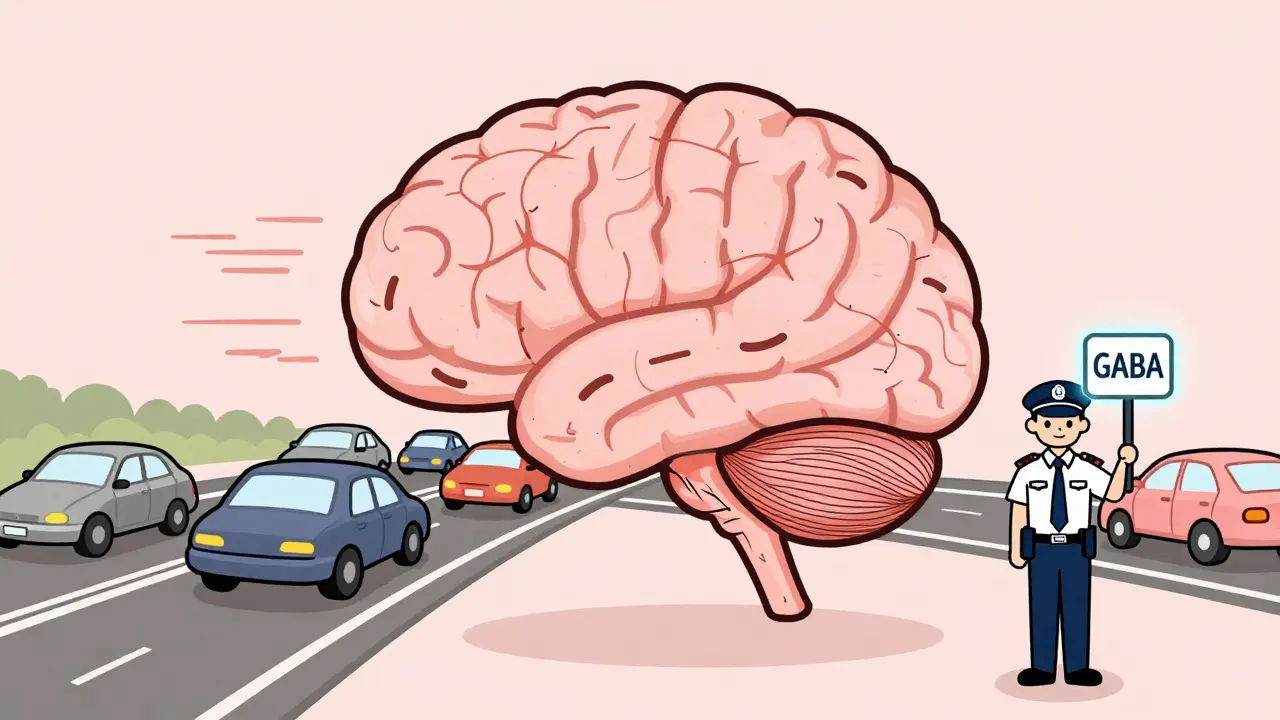
Benzodiazepines: What They Do, Why They're Risky, and How to Use Them Safely
Benzodiazepines offer fast relief for anxiety and panic but carry high risks of dependence and withdrawal. Learn when they’re appropriate, how to use them safely, and what alternatives actually work long-term.
- Colin Hurd
- Jan, 29 2026
- 13 Comments
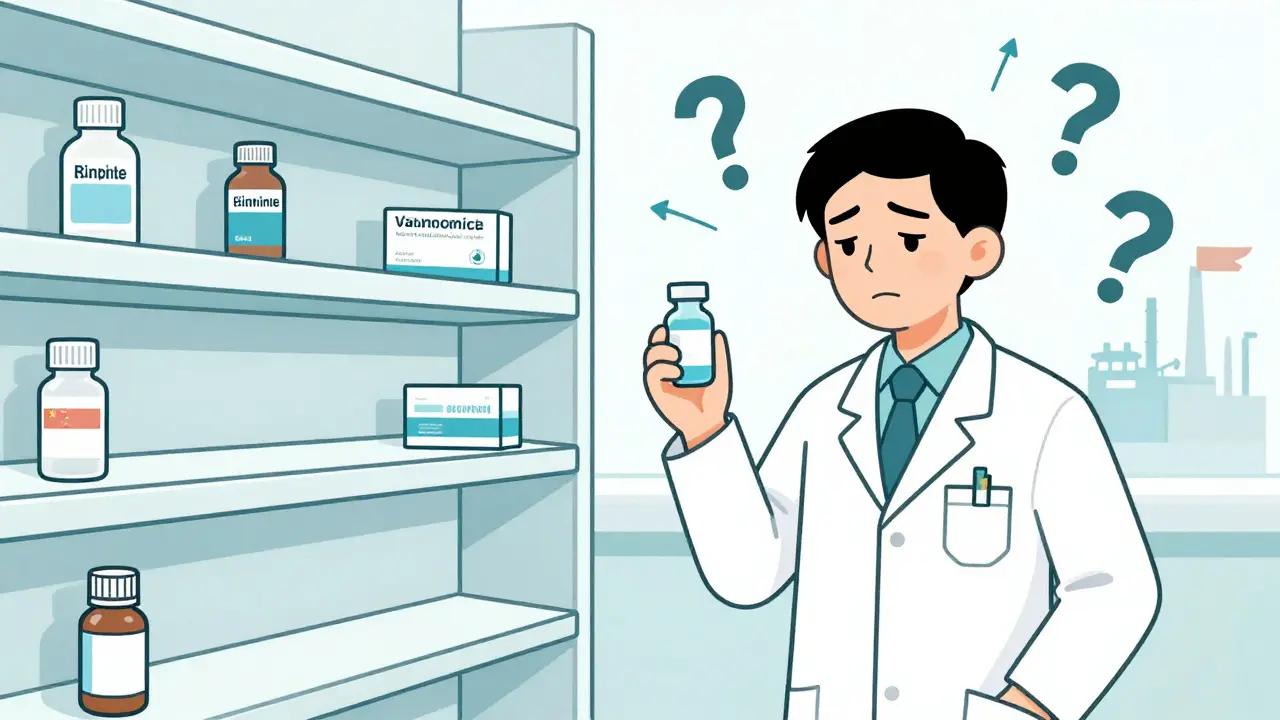
Cancer Chemotherapy Safety: How to Handle and Administer Antineoplastic Drugs Correctly
Learn the 2024 safety standards for handling and administering chemotherapy drugs. From double gloves to fourth verification steps, discover what protects patients and staff - and what happens when safety is ignored.
- Colin Hurd
- Jan, 25 2026
- 12 Comments
Medication Shortages: How to Manage When Drugs Aren’t Available
Medication shortages are disrupting care across the U.S., with generic injectables like morphine and saline in short supply. Learn why they happen, how hospitals cope, and what alternatives exist when drugs aren't available.
- Colin Hurd
- Jan, 24 2026
- 8 Comments
Why Brand Companies Launch Authorized Generics: Strategy Explained
Brand companies launch authorized generics to protect revenue when patents expire. These are identical to the original drug but sold at lower prices, helping them compete with generic rivals while keeping customers loyal.
- Colin Hurd
- Jan, 23 2026
- 8 Comments
Benzodiazepine Tapering: Safe Strategies to Reduce Dependence
Safe benzodiazepine tapering reduces withdrawal risks and helps break dependence. Learn proven strategies, timelines, and alternatives based on 2024 clinical guidelines.
- Colin Hurd
- Jan, 22 2026
- 8 Comments
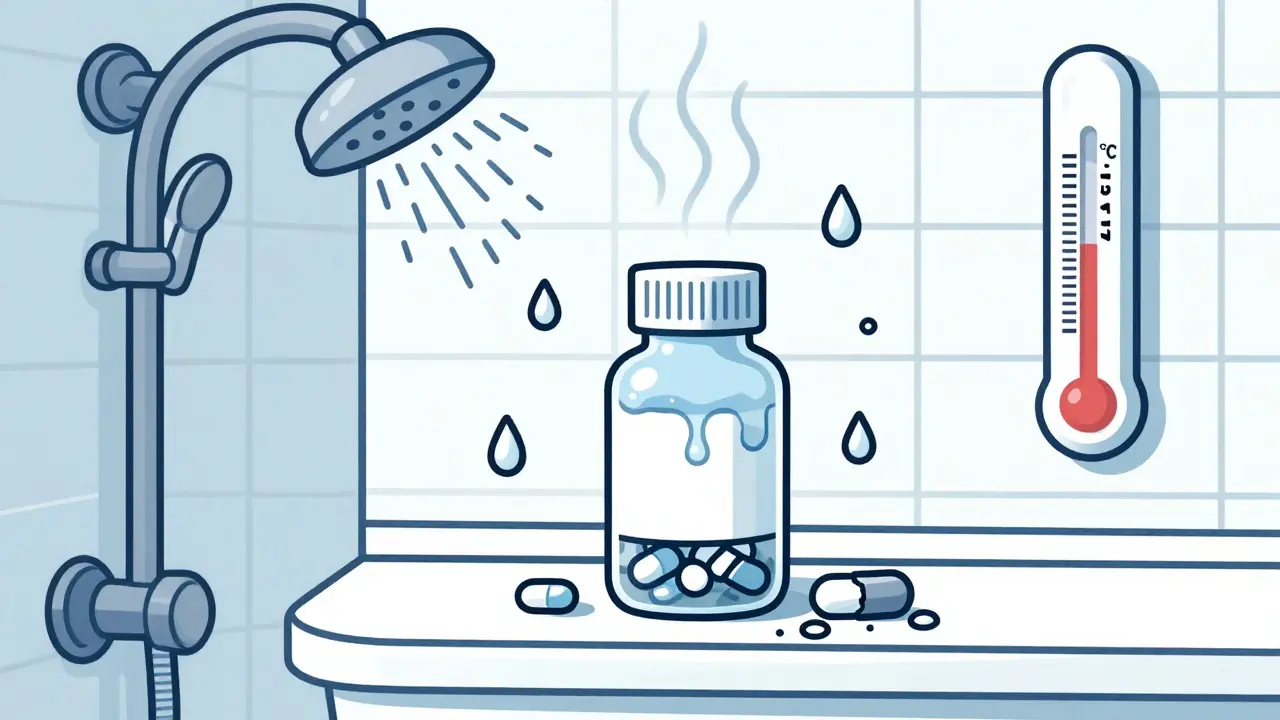
How Humidity and Heat Speed Up Medication Expiration
Heat and humidity can ruin your medications long before their expiration date. Learn which drugs are most at risk, where not to store them, and how to tell if they've gone bad-before it's too late.